

-

Applications

Industries

 OEM & ODM Service
 Development Service
 Download
 Technical support
 Warranty & RMA
 FAQS
FAQS
 My Community
 Who Is CIVINTEC
 Why CIVINTEC
 News & Express
 Cooperation




 Home >
About Us > Blog > CIVINTEC Guide: Multiple Identification Technologies for High-Security Access
Home >
About Us > Blog > CIVINTEC Guide: Multiple Identification Technologies for High-Security Access 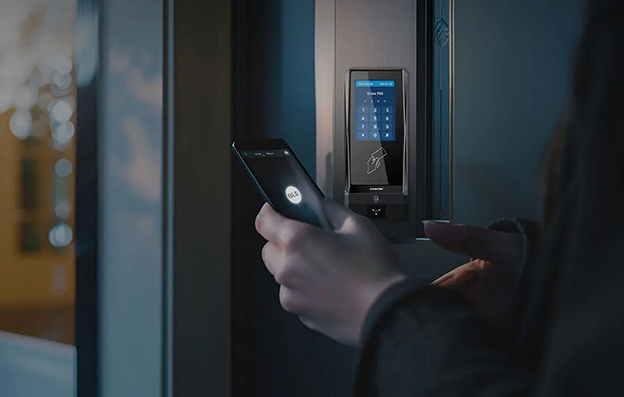
 May 31, 2026
In today's global security landscape, the demand for sophisticated building security access control systems has transcended the traditional "lock and key." Whether managing a high-rise corporate office, a healthcare facility, a 24-hour fitness center, or a sprawling industrial complex, facility managers face the same challenge: how to provide high-level protection without compromising the convenience of the user experience.
The key to solving this lies in the strategic deployment of multiple identification technologies deployed in access control. By moving beyond a single identification method, organizations can create a multi-layered defense that is as flexible as it is secure. This guide explores the diverse recognition technologies available today—from AES-encrypted RFID and mobile apps to dynamic QR codes and biometrics—and how to apply them across different industries.
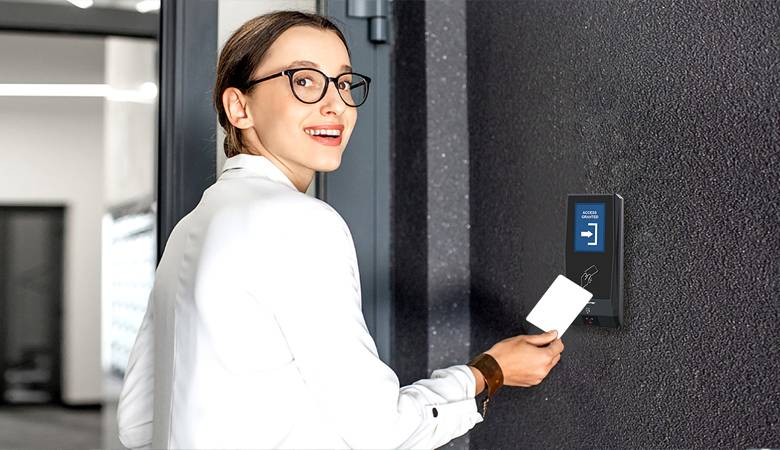
While the market is flooded with various types of rfid access control system options, the distinction between "proximity" and "secure smart cards" is critical for maintaining a robust security perimeter. Many facilities still unknowingly rely on legacy 125kHz technology, which offers little more than a digital ID without protection. For any modern, high-security application, the focus must be on 13.56MHz technology, specifically the MIFARE DESFire standard.
The primary risk with older RFID cards—such as 125kHz Proximity or Mifare Classic—is their lack of a cryptographic barrier. These cards transmit data "in the clear," making them easy targets for cloning, "sniffing," or replay attacks using inexpensive tools. To counter these vulnerabilities, high-performance hardware prioritizes the MIFARE DESFire EV2/EV3 standard because it utilizes AES (Advanced Encryption Standard) algorithms to wrap every interaction in a secure digital vault.
Zero-Trust Mutual Authentication: The Mifare NFC reader and the card perform a secure cryptographic handshake before any data is transferred. They verify each other's digital "signatures" using secret keys. If the reader does not have the correct key, the card stays silent, effectively neutralizing unauthorized scanning attempts.
Segmented Encrypted Data Vaults: DESFire cards are essentially mini-computers. Each card can store multiple applications in separate, secure, and encrypted files. This allows a facility to use one card for door entry, secure printing, and cafeteria payments—ensuring that even if one application's security is tested, the others remain entirely isolated and safe.
Hardware-Level Anti-Cloning Technology: Because the AES keys are securely injected and stored within the hardware of the chip itself, the credentials are virtually impossible to duplicate. This provides a level of protection that meets rigorous government and banking standards, ensuring that "what you have" cannot be forged.
High-Speed Throughput: Despite the heavy encryption, 13.56MHz technology is built for speed. It allows for rapid data exchange, ensuring that "tap-and-go" entry points remain efficient even during peak shift changes or high-traffic events.
Best For: Full-time employees, long-term tenants, and staff who require daily, high-frequency access to secure zones. It is the ideal foundation for a security and access control system that demands uncompromising durability and uncopyable identity verification.
Enterprises & Office Door Entry System Solution👉
[block1]
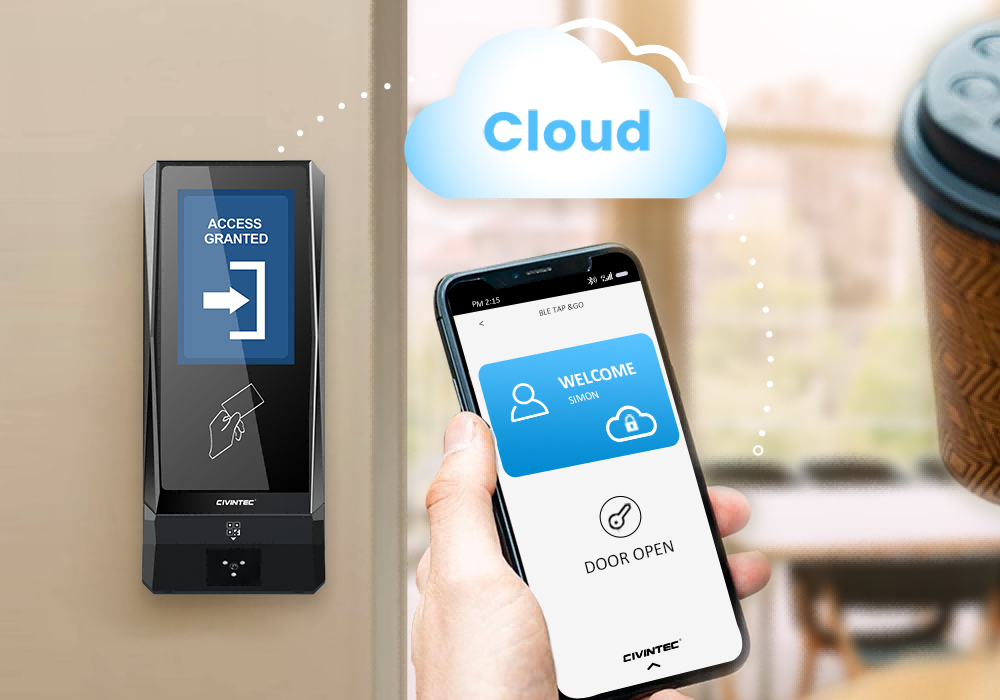
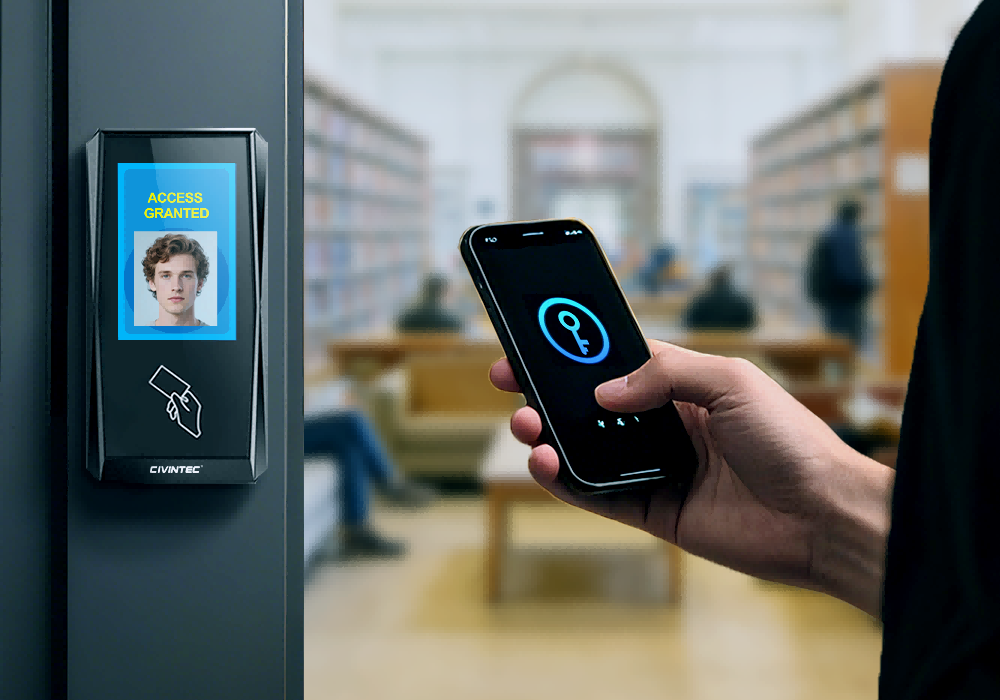
The most significant shift in modern security and access control systems is the rapid transition toward mobile-first credentials. By transforming a smartphone or smartwatch into a high-security digital key, facilities can completely eliminate the logistical nightmare of physical card management—no more printing, shipping, or replacing lost plastic badges. Beyond the cost savings, mobile credentials offer a more dynamic layer of security that traditional cards simply cannot match.
A common misconception is that wireless signals are inherently less secure than physical cards. However, just like our premium RFID solutions, CIVINTEC's mobile access architecture utilizes AES (Advanced Encryption Standard) to secure every interaction between the smartphone app and the reader terminal. This bank-grade encryption creates a secure tunnel for the "digital handshake," ensuring that even if the signal is intercepted over the air, the data remains an unreadable, encrypted vault.
NFC Access Control System (Precision & Intent): NFC (Near Field Communication) provides the familiar "Tap-and-Go" experience that users already love for digital payments. Because it operates at an extremely short range (typically under 4cm), it requires a deliberate, physical action from the user. This high-precision sensing makes it ideal for high-security office entry points or internal rooms where accidental door triggers must be strictly avoided.
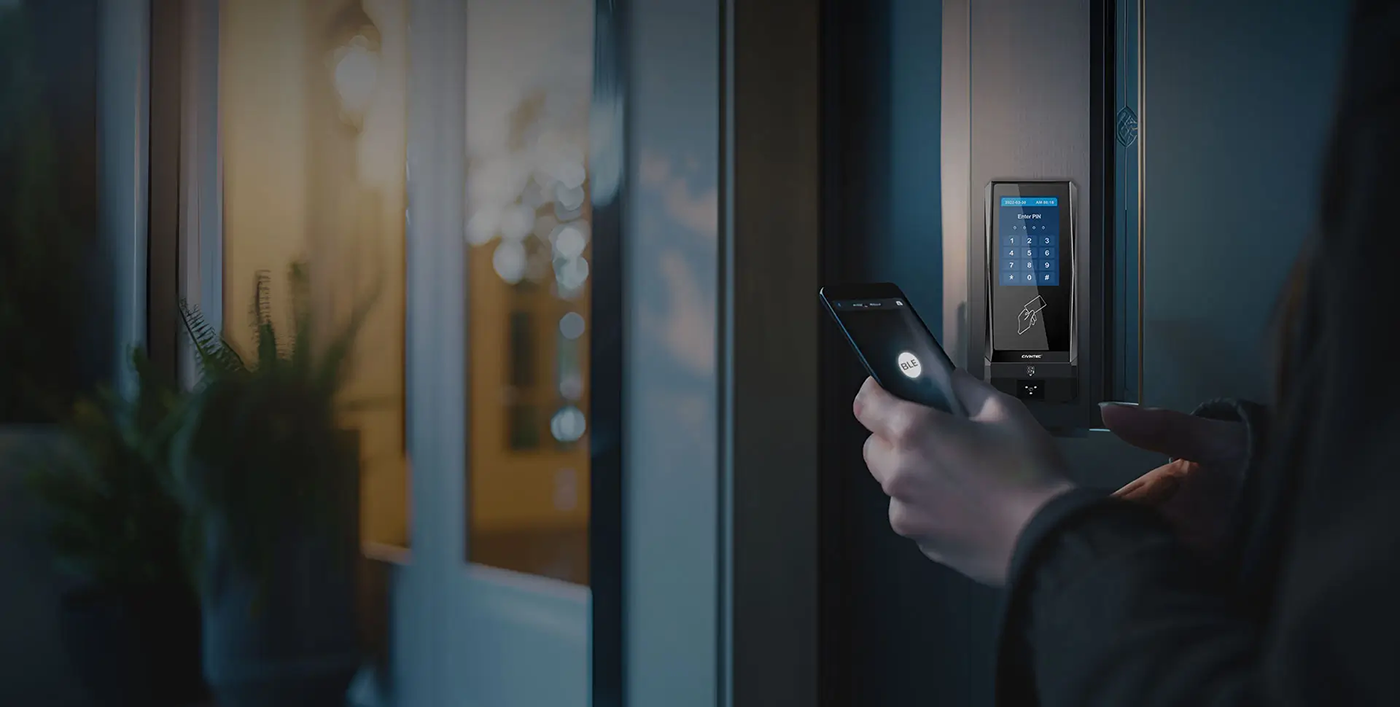
BLE Integration (Range & Freedom): A ble-based access control system offers a distinct strategic advantage: hands-free convenience. BLE can detect a credential from several meters away, allowing for "background operation" where the user can unlock a door or gate without ever removing their phone from their pocket or bag. This is a game-changer for logistics hubs where workers may be carrying packages, parking garages requiring vehicle entry, or luxury office entrances where a frictionless "walk-through" experience is a priority.
Best For: Modern "Bring Your Own Device" office environments, tech-savvy fitness club members who want a card-free workout, and corporate executives who demand a seamless, high-tech entrance. By combining the precision of NFC with the flexibility of BLE, facilities can offer a tailored experience that matches the pace of their users' daily lives.
CIVINTEC Fitness Gym Access Control: Seamless 24/7 Unattended Operation👉
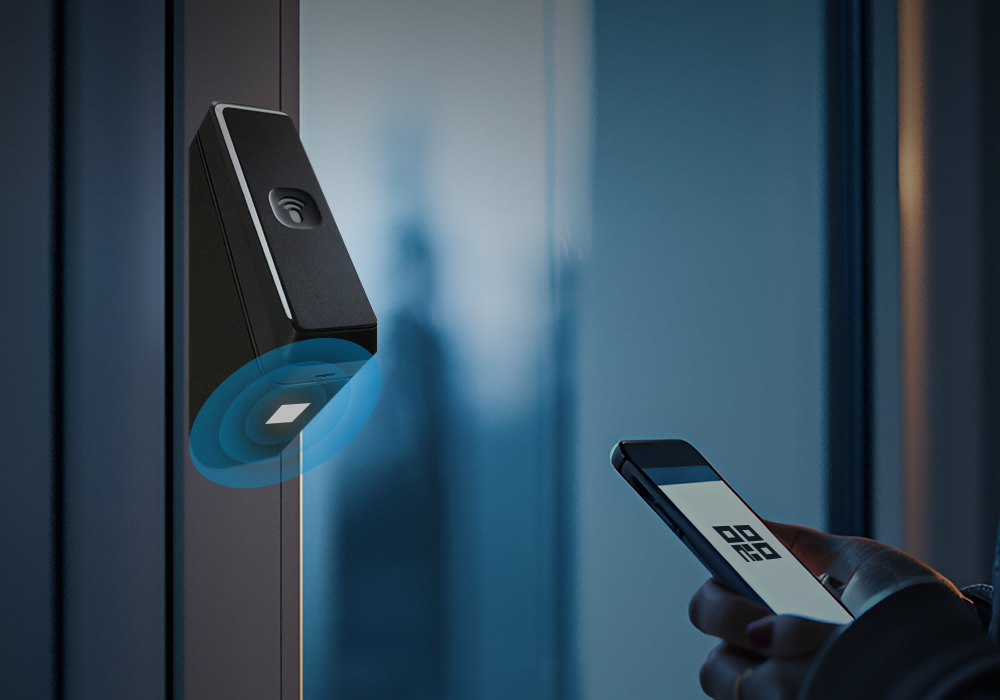
A major pain point in facility management is managing temporary access for guests, contractors, and delivery personnel. Handling physical badges for someone who will only be on-site for two hours is a logistical drain. A qr code access control system provides the perfect solution by treating the credential as a temporary digital asset—providing access that is as easy to delete as it is to create.
Instant, Remote Issuance: Gone are the days of visitors standing awkwardly at a reception desk while an admin hunts for a spare proximity card. A qr code for access control can be generated instantly and sent directly to the visitor's smartphone via email, SMS, or WhatsApp before they even leave their office. This "pre-arrival" onboarding streamlines the entry process and ensures a professional first impression.
Granular Time Constraints & Auto-Expiration: Security is only as good as your ability to revoke it. Unlike physical cards, which often go missing or aren't returned, QR codes are programmed to be self-destructing. You can grant access for a specific two-hour window, a single entry, or a recurring Monday-only pass. Once the technician finishes the repair or the guest leaves the event, the code expires automatically, ensuring no "hanging" access rights remain in your system.
100% Touchless Interaction: In a world where hygiene and speed are paramount, the touchless access control experience of a QR code is unbeatable. Visitors simply present their phone screen to the terminal's integrated camera. There is zero contact with common surfaces, and the scanning process happens in milliseconds, preventing bottlenecks at main entrances or parking gates.
Audit-Ready Logs: Every QR scan is digitally logged with a timestamp and a photo (if using a camera-enabled terminal like the CT10). This gives managers a clear, undeniable record of exactly when a contractor entered and exited a specific zone, which is vital for both safety compliance and billing verification.
Best For: Short-term contractors, delivery drivers, one-time guests, and event attendees. It allows you to maintain a high-security perimeter without the overhead of physical hardware management, making it the most cost-effective way to handle "transient" traffic.
Intelligent Access Control & Attendance Solution for Secure Enterprise Campuses Management👉
For zones that require the highest level of scrutiny—such as data centers, research labs, or financial vaults—relying on a single factor (what you have, like a card) is often insufficient. This is where we introduce Multi-Factor Authentication (MFA), a "defense-in-depth" strategy that ensures a lost or stolen credential isn't enough to compromise your most sensitive assets.
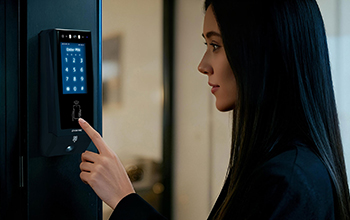
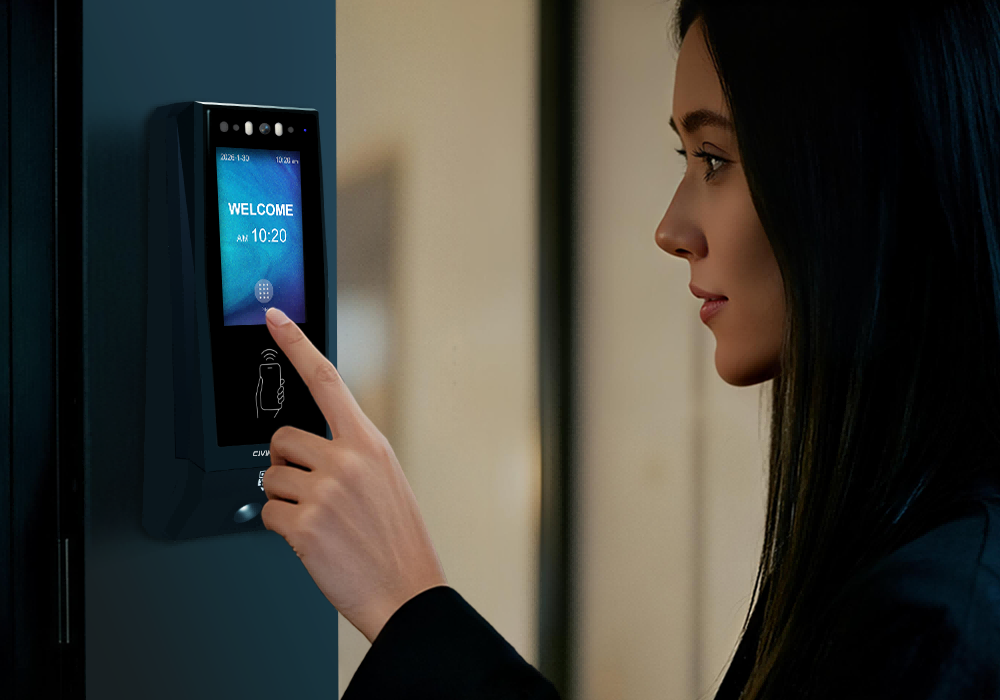
Integrated Keypads (PIN): The "Something You Know" Factor Combining a card tap or mobile scan with a unique PIN code is one of the most reliable and cost-effective ways to implement MFA. By requiring a personal identification number, you add a critical layer of verification: "something you know." Even if a physical card is lost or a smartphone is stolen, the intruder faces a digital wall they cannot bypass without the correct code. This is particularly effective for after-hours access or high-value storage rooms where staff density is low.
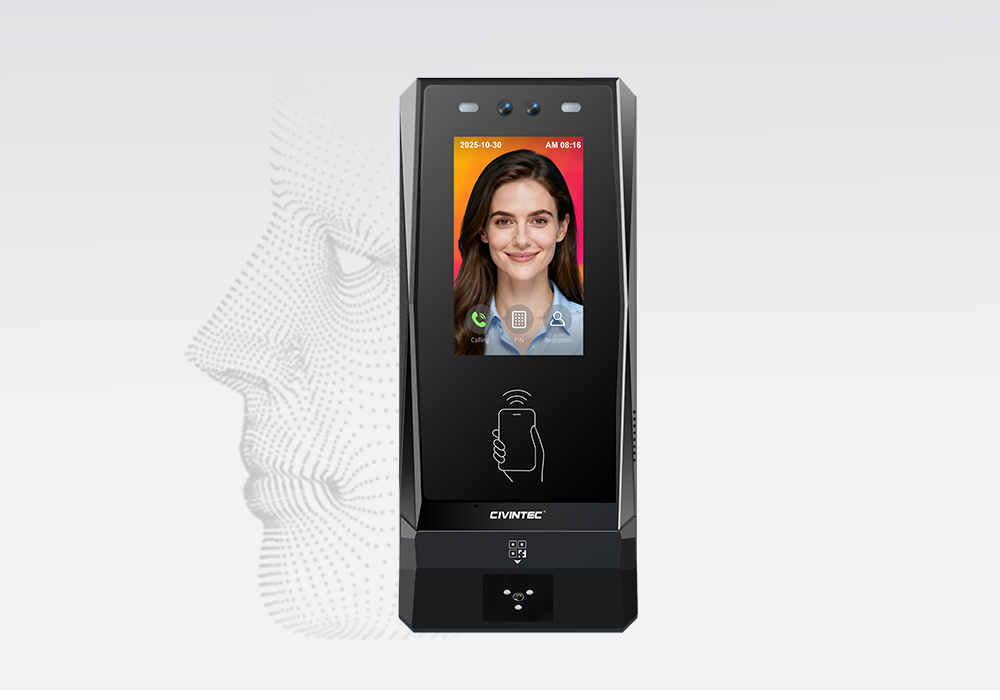
Facial Recognition: The "Who You Are" Factor While cards and phones represent what you carry, biometrics focus on "who you are." Biometric authentication provides a non-transferable identity record, and they serve as an elite secondary verification layer.
High-Value Zone Scenarios In a high-security environment, the terminal acts as an intelligent gatekeeper. For instance, to enter a server room, a terminal might require a "Card + PIN" or a "NFC/BLE scan + Fingerprint" to grant entry. This dual-verification ensures that the person holding the credential is truly the authorized user. By layering these multiple authentication technologies, facility managers can eliminate the risk of "card sharing" and ensure a 100% accurate audit trail for their most critical infrastructure.
Best For: Restricted zones, sensitive data rooms, financial record areas, and any facility where the cost of a security breach far outweighs the minor added step of a second authentication factor.
CIVINTEC: Advanced Data Center Access Control with Zero-Trust Security👉
To maximize the ROI of your building security access control systems, it is essential to deploy the right technology for the right user group. This segmentation ensures that your most frequent users have the most reliable tools, while visitors enjoy a frictionless arrival.
User Group | Recommended Technology | Business Value |
Permanent Staff | RFID (DESFire) / NFC | Maximum security (AES), high durability, and supports attendance tracking. |
Logistics/Warehouse | BLE | Hands-free entry for workers carrying goods or driving vehicles. |
Visitors/Contractors | QR Code | Instant digital issuance, zero hardware cost, and automatic expiration. |
High-Security Zones | RFID + Biometrics/PIN | Multi-factor protection (MFA) for critical infrastructure and sensitive data. |
In an era of rising cyber-physical threats, the encryption algorithm is the most critical component of your hardware—it is the invisible wall that protects your digital identity. AES (Advanced Encryption Standard) is the global benchmark for data security, trusted by governments and financial institutions alike to protect the world's most sensitive information. By implementing AES across both our rfid access control system and our mobile app interactions, we ensure that your security isn't just a physical barrier, but a cryptographic one.
Absolute Data Integrity: Every piece of information exchanged between the credential (card or phone) and the reader is digitally "sealed." This ensures that the data cannot be altered, intercepted, or forged by unauthorized parties. It effectively neutralizes "Replay Attacks," where a hacker attempts to capture a valid signal and broadcast it later to mimic a legitimate entry.
Future-Proof Protection: Security is a constant race against evolving threats. AES is computationally robust enough to withstand modern brute-force attacks and is designed to remain secure for the long term. By choosing an AES-backed system today, you are investing in a facility that stays protected even as hacking tools become more sophisticated.
By unifying this bank-grade encryption across all entry methods—whether a staff member taps an NFC reader or a manager uses a BLE-enabled app—we provide a seamless ecosystem where "fast" and "secure" are no longer a trade-off.
[block2]
Building a smarter facility isn't just about picking one high-tech lock; it's about creating a unified ecosystem where security feels like an invisible assistant rather than a constant barrier. Deploying multiple authentication technologies deployed in access control is essentially the art of finding the perfect balance between ironclad, high-level protection and frictionless daily convenience.
By merging the virtually uncopyable security of MIFARE DESFire with the modern, mobile-first flexibility of NFC/BLE and the administrative speed of QR codes, you can build a security network that instinctively adapts to every user type. Whether it's a CEO using a "hands-free" BLE entry, a day-contractor scanning a time-limited QR code, or a regular member tapping an AES-encrypted badge, the experience remains seamless.
At CIVINTEC, we provide the intelligent hardware foundation—terminals that are engineered to process all these technologies simultaneously. This ensures your facility isn't just a static building, but a truly smart, secure environment that drives ROI by protecting your assets while respecting your users' time. When your entry points are powered by bank-grade encrypted hardware, you aren't just securing doors; you're securing your organization's future in an increasingly digital world.


 Share
Share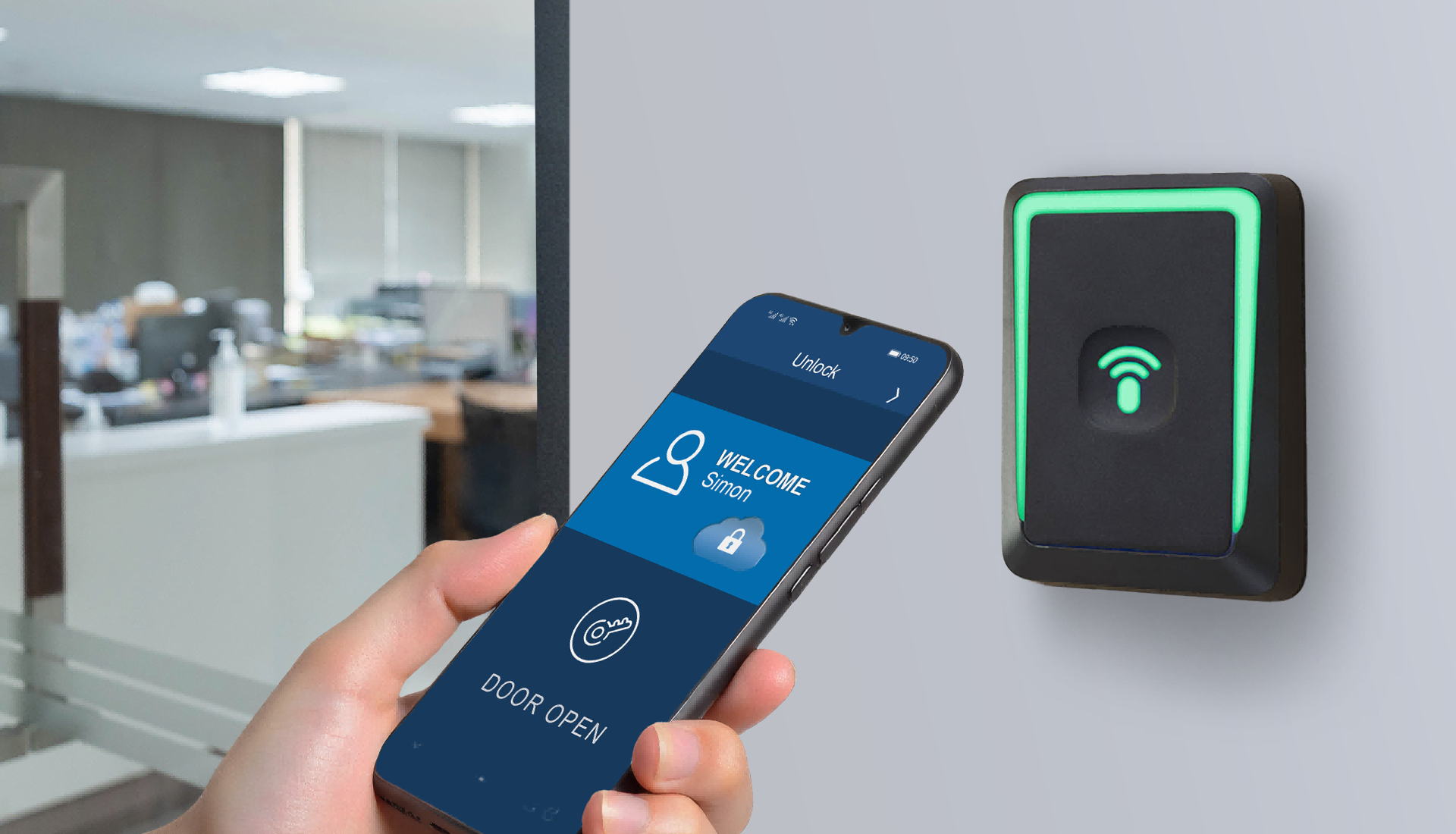




 Contact Us