

-

Applications

Industries

 OEM & ODM Service
 Development Service
 Download
 Technical support
 Warranty & RMA
 FAQS
FAQS
 My Community
 Who Is CIVINTEC
 Why CIVINTEC
 News & Express
 Cooperation




 May 31, 2026
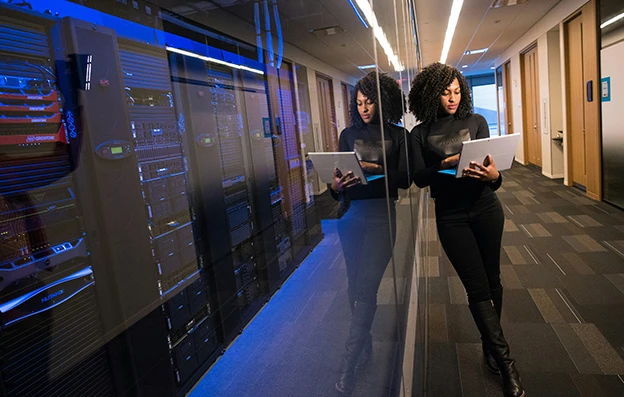
In the modern landscape of critical infrastructure, the boundary between physical security and cybersecurity has effectively dissolved . For data center operators, a single breached door is equivalent to a compromised firewall . Modern data center access control is no longer a peripheral utility; it is a foundational security mandate that ensures the right people access the right assets at the precise micro-moment required.
The challenge for today's server centers lies in the sophistication of physical threats—tailgating, credential cloning, and unauthorized "badge lending" can lead to catastrophic data leaks or hardware tampering. To combat these risks, the integration of the CIVINTEC access control terminal and APB access reader provides a "Zero-Trust" framework: a philosophy where every entry and exit is not just permitted, but rigorously verified, monitored, and recorded in real-time.
In the modern data center, physical security is the "Layer 0" of any robust cybersecurity strategy . Traditional RFID systems are frequently the weakest link in this chain, as standard cards are easily cloned with inexpensive tools, and "tailgating"—where an unauthorized individual follows a legitimate user through a secure door—remains a primary vulnerability. To address these risks, a data center access control system must evolve beyond simple card reading into an intelligent, proactive defense layer.
The CIVINTEC solution moves critical security logic from the software level directly down to the hardware level to ensure instantaneous enforcement.
Corrected Access Control Logic: The CIVINTEC access control terminal enforces strict hardware-level entry-exit sequencing. This means a user is physically barred from exiting a high-security zone if a valid entry event has not been first recorded and authenticated. Conversely, a user will be physically barred from re-entering a high-security zone if they have not properly logged an exit first.
Preventing Credential Sharing: This logic effectively kills the "badge lending" or "card pass-back" loophole, ensuring that one credential represents exactly one physical person within the secure perimeter at any given time.
Automated Image Verification: The CIVINTEC access control terminal supports an automatic photo-taking function during door triggering. By maintaining a high-resolution image record of personnel at the entrance and exit, the system provides undeniable visual proof of who is on-site, effectively deterring the use of borrowed cards.
Tailgating Deterrence: When the CIVINTEC access control terminal works with turnstiles or speed gates, the system becomes a powerful deterrent against multiple people entering on a single scan. This layered defense protects your facility's revenue and operational integrity.
To render credential cloning and duplication attempts obsolete, both CIVINTEC access control terminals and readers utilize industrial-grade, multi-layered encryption.
Advanced RFID Support: The system supports the highest security standards, including Mifare DESFire EV2/EV3.
AES-128/256 Shielding: By employing AES encryption, the communication between the card and the reader is shielded from sophisticated hacking and duplication attempts .
Secure Handshakes: With Secure Access Module supports Mifare® SAM AV2/AV3, CIVINTEC access control system support smart chip technology for bank-level security, ensuring that only authorized and encrypted credentials can trigger a door strike or grant access to sensitive server rows.
Secure Communication: CIVINTEC access control terminals implement HTTPS (TLS 1.3) for encrypted server communication, ensuring end-to-end data protection between the device and central management systems.
Technical Note on Unified Configuration: CIVINTEC access reader supports OSDP (Open Supervised Device Protocol). This allows it to act as the primary "Edge" controller and terminal, while the CIVINTEC APB reader handles secondary entry or exit points. This bidirectional communication protocol ensures a unified dual-gate configuration that remains functional even during a network outage .
[block1]
Shared data centers or "Colocation" facilities are high-traffic hubs that must balance the needs of diverse populations, including permanent tenants, temporary contractors, and specialized maintenance teams. In these mission-critical environments, a "one-size-fits-all" access policy is a recipe for disaster, as it fails to account for the varying security risks associated with different user roles . To mitigate these risks, a modern data center access control system must employ a multi-layered strategy that combines granular permissions with rigorous identity verification .
In high-security zones such as "Core Switch Rooms" or "Biometric Vaults," relying on a single credential—no matter how advanced—introduces a single point of failure. If a physical card is lost or a smartphone is stolen, the perimeter is compromised. CIVINTEC’s Two-Factor Authentication (2FA) mitigates this risk by requiring both a physical "token" and secret "knowledge," creating a formidable barrier against unauthorized access.
Step 1: Physical Credential Verification The user presents their verified RFID card (such as a high-security Mifare DESFire chip) or their smartphone BLE/NFC mobile key to the terminal.
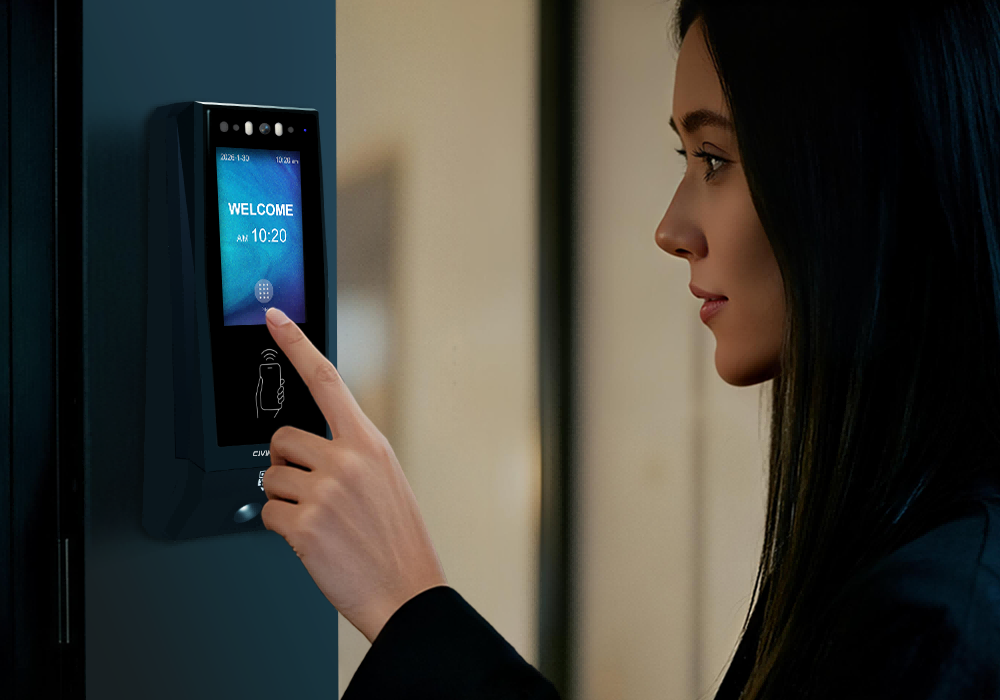
Step 2: Time-Sensitive PIN Entry Upon successful credential recognition, the terminal's high-resolution touchscreen immediately prompts for a dynamically generated real-time PIN code.
Security Impact This process ensures that even if a physical device is stolen or a card is lost, the facility remains impenetrable. The digital code is time-sensitive and role-specific, providing a "Zero-Trust" verification at every critical entry point.
Through centralized cloud management, administrators can assign granular permissions remotely in real time that align physical access with the user's specific professional responsibilities. This "Least Privilege" model ensures that no individual has more access than is absolutely necessary.
Maintenance Staff: Temporal & Spatial Restrictions Access is granted only to specific power galleries or cooling zones during pre-defined shift hours. For example, a third-party HVAC technician may only have access to the rooftop chillers from 8:00 AM to 5:00 PM on a specific Tuesday.
Tenants: Rack-Level Precision Access is restricted exclusively to the tenant's leased server racks or private cages . The system can be programmed to unlock only the specific rack door authorized for that user, providing total situational awareness over high-value assets.
Emergency Response: Global Logic Overrides In the event of a crisis, the system supports instant, remote overrides. It can trigger a "Global Unlock" in coordination with fire alarm systems to facilitate safe evacuation, or a "Global Lockdown" during a security breach to isolate sensitive server rows and protect data .
Modern data centers host a wide spectrum of users, each requiring a different method of entry to balance security with operational flow. CIVINTEC terminals integrate multiple identification technologies within a single device to accommodate these diverse groups:
Secured RFID for Permanent Staff: Employees and long-term engineers utilize high-security 13.56MHz Mifare DESFire EV2/EV3 smart cards, providing a durable and highly encrypted physical token for daily use.
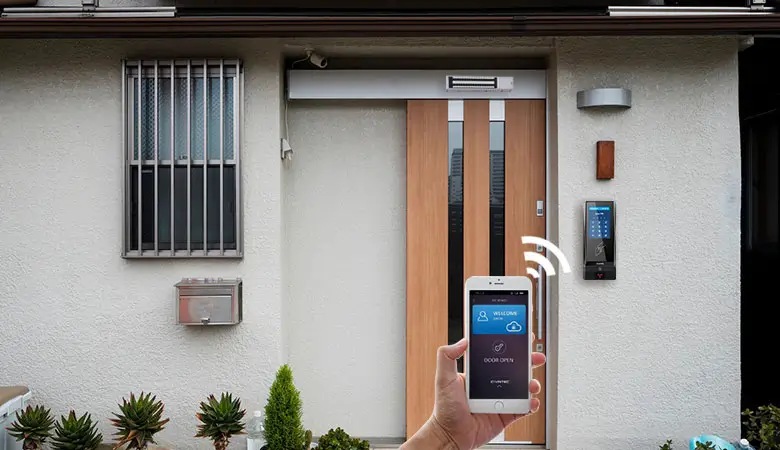
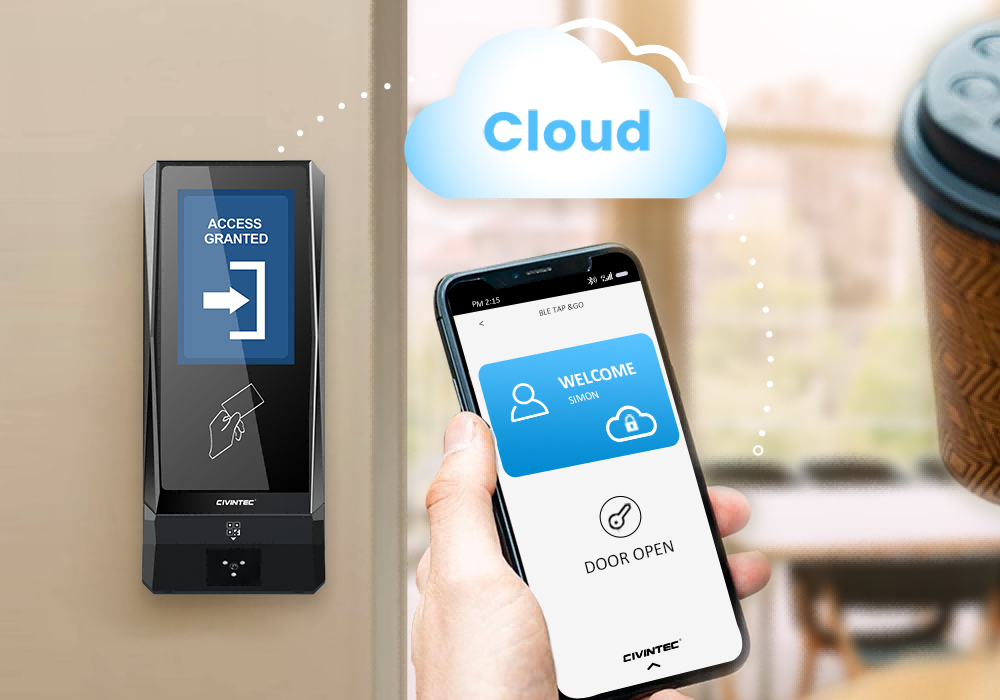
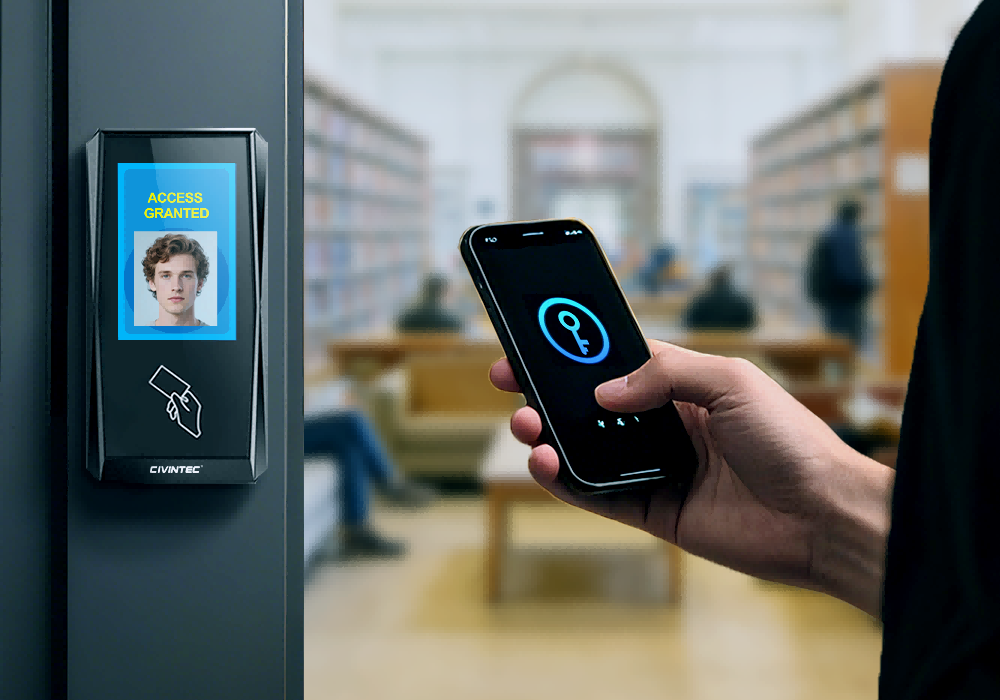
Mobile Credentials for Internal Teams: Staff can leverage encrypted BLE (Bluetooth Low Energy) or NFC via their smartphones. This digital key approach provides a frictionless experience while ensuring the credential remains tied to a device typically protected by personal biometrics.
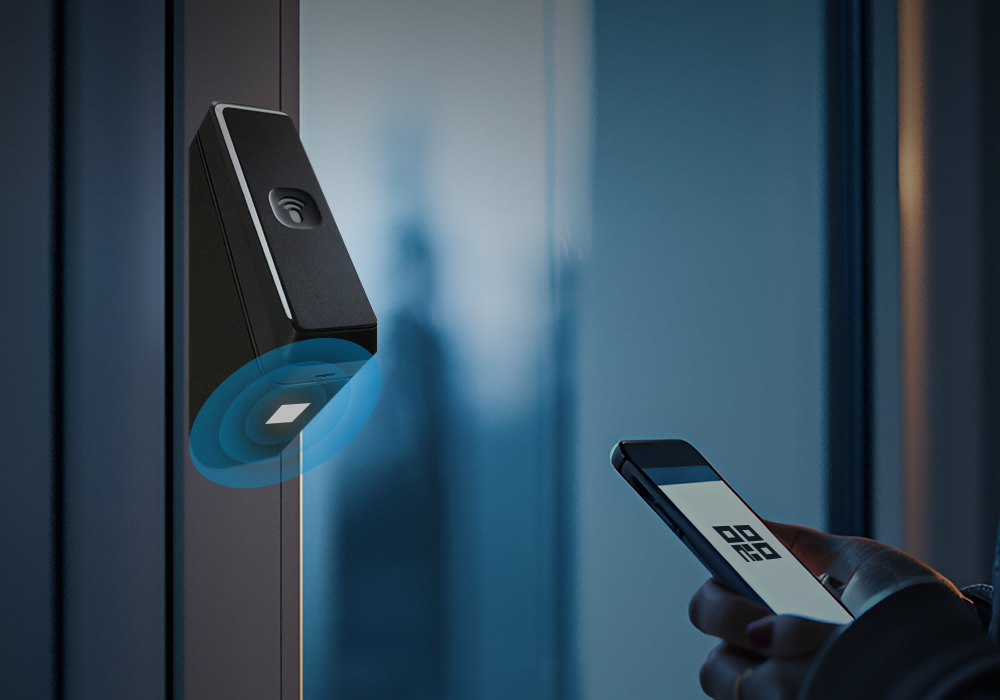
QR Code/Barcode Scanners for Temporary Visitors: For short-term contractors or one-time visitors, administrators can issue Dynamic QR codes via email or SMS. These allow for instant, time-restricted entry without the need to issue or recover physical cards.
PIN Code Entry for Enhanced Security: Integrated mechanical or touch keypads allow for the input of secure PINs, serving as either a standalone entry method or a critical second layer in multi-factor authentication.
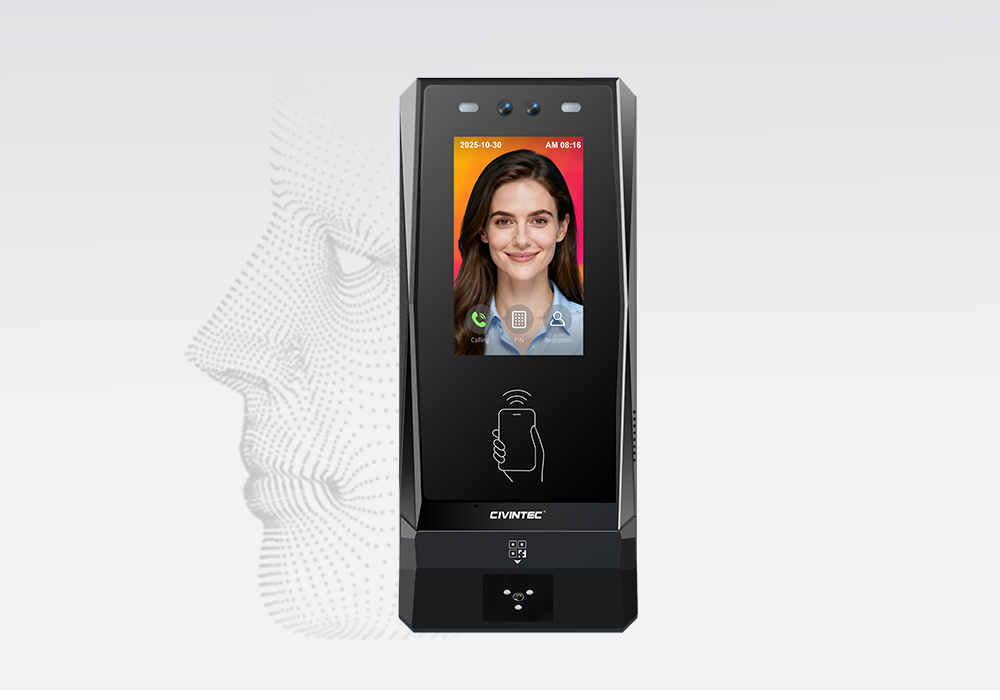
Sensitive server rooms require identity verification alongside clearly defined access permissions. The CIVINTEC CT11 access control terminal combines facial recognition, infrared-assisted liveness detection and SDK integration to support a layered data center access control strategy.
Its main advantages include:
Touchless Identity Verification: Dual cameras and an infrared sensor support facial matching and liveness detection, adding an identity check beyond presenting a physical badge.
Layered Access Policies: Project-defined workflows can require an additional card or PIN check where supported and configured. The customer’s management platform defines access rights for specific server rooms, personnel and working periods.
Local Operation and Access Records: Configured local mode supports verification against stored permissions and local event recording. SDK integration enables the customer’s platform to manage access data and synchronization after connectivity returns.
Facial verification is one security layer; reducing tailgating also requires appropriate physical barriers and entry monitoring.
CIVINTEC access control system support both wire and wireless communication interfaces. The advantage of using this type of access control reader is that it provides flexibility for administrators. It is with versatile interfaces to work as network mode to build the access control system based on PC/Cloud. Managers can real-time track access logs and personal activities for remote control multi- room/building. Access control reader can be authorized according to different roles, allowing only authorized personnel to access specific areas.
WiFi Access Control System: By utilizing high-speed WiFi, CIVINTEC terminal offers true "Plug-and-Play" cloud connectivity, allowing for rapid deployment in areas where traditional Ethernet drops are impractical.
LoRaWAN Technology: For complex industrial environments or large-scale facilities requiring long-range, low-power connectivity, CIVINTEC terminal supports LoRaWAN to maintain secure communication over vast distances without extensive wiring.
Wired TCP/IP: For mission-critical backbones where a physical connection is preferred, the terminal supports standard TCP/IP (Ethernet) with PoE (Power Over Ethernet), providing a rock-solid, high-bandwidth link to centralized server systems.
Integrating access hardware with a real-time cloud management platform provides several mission-critical advantages for modern data center operations:
Cloud-connected Management: Administrators can remotely manage permissions, review credential activity, track room door status, and respond to alarms through a cloud-connected management platform. With real-time data synchronization, the system keeps teams to maintain consistent safety and operational control across multiple sites without being physically present.
Offline Operation: When the network is interrupted, CIVINTEC access control devices automatically switch to local mode to continue to function using locally stored permissions and recording the events. This ensures operations remain uninterrupted, particularly on remote sites or environments with unstable connectivity.
Traceable Logs & Image Record: All access and operation events such as door entries, machine activations, and restricted-area attempts are automatically logged and synchronized to server. CIVINTEC access control system supports image record functionality, with built-in camera capturing photos during verification to link visual proof to each record. This greatly enhances security for equipment room, hazardous zones, and low-supervision areas.
OTA Devices Upgrade: CIVINTEC access control devices supports OTA remote software and firmware update on server eliminate the need for physical servicing. This reduces on-site maintenance time, lowers operational costs, and extends the overall system lifecycle.
Cloud Access Control Solution👉
In a Zero-Trust environment, the governing principle is that an incident that isn't recorded is an incident that effectively didn't happen. To eliminate blind spots, CIVINTEC provides 360-degree traceability for every movement within the facility, moving beyond simple entry logs to a comprehensive forensic ecosystem. By shifting from reactive recording to proactive facility oversight, owners can maintain a higher level of security than human staff could consistently provide.
The system is designed not just to record events after they occur, but to anticipate and alert managers to threats in real-time. The CIVINTEC access control terminal supports multiple alarm outputs that trigger the moment the system detects a breach of security protocols:
Tampering Protection: Integrated sensors detect unauthorized attempts to pry the device from the wall or interfere with the hardware, triggering an immediate alarm.
Door-Forced-Open Alerts: The system identifies physical breaches of the perimeter, such as a door being forced open without a valid credential scan.
Improper Closure Monitoring: Real-time notifications are sent if a high-security door is left ajar, preventing accidental exposure and ensuring the climate-controlled environment of a server room remains sealed.
Unauthorized Entry Attempts: The terminal triggers an alarm if an unverified individual attempts to gain access, allowing for an immediate security response.
For facilities requiring compliance with rigorous global standards, the system provides the granular data necessary for successful audits.
Detailed Digital Logs: The system generates comprehensive logs including visitor IDs, specific authentication methods used (NFC, BLE, or RFID), and precise timestamps for every event.
Automated Image Records: CIVINTEC terminals feature an automated image record function that captures a photo of every individual at the point of entry.
Visual Proof of Entry: This provides administrators with undeniable visual proof of who is in the building, which is vital for security reviews and auditing purposes.
Effortless Report Exports: Data can be easily exported for historical event tracking or security audits, significantly reducing the administrative burden of compliance management.
Life Safety Integration: CIVINTEC access control terminal is with fire alarm signal input directly integrate with fire alarm systems. This critical link transforms a standard alert into a coordinated life-safety response. Upon receiving a fire signal, CIVINTEC access control system automatically unlock designated egress routes or secure hazardous areas in real-time, facilitating safe evacuation while preventing unnecessary entry into danger zones.
Choosing a data center access control system is a high-stakes, long-term infrastructure investment that must account for decades of operational life. CIVINTEC ensures that your hardware remains operationally relevant and secure even as global technology standards and security protocols evolve.
To achieve a "Zero-Trust" environment, your physical security must communicate seamlessly with your digital management tools.
Open-Platform Approach: We eliminate the limitations of proprietary software by providing an open SDK for secondary development. CIVINTEC access control terminal is built on a rugged, Linux-based operating system, providing a stable, secure, and highly customizable software foundation.
DCIM and ERP Connectivity: This allows your IT team to embed real-time access data directly into existing Data Center Infrastructure Management (DCIM) or Enterprise Resource Planning (ERP) tools.
Unified Command and Control: Support for HTTP/HTTPS commands enables centralized management via LAN or internet cloud servers, facilitating a direct link between physical entry and digital oversight.
Custom Workflow Logic: Developers can use the SDK to create site-specific behaviors, such as automatically activating a server rack's cooling or lighting system only when an authorized technician scans their credential.
A professional security system must be able to grow alongside your infrastructure, whether you are expanding locally or globally.
Centralized Global Management: Manage thousands of members, visitors, and diverse access levels across multiple geographical regions from one centralized command hub.
Future-Proof Updates: With support for regular firmware updates, your investment remains protected as new mobile credential technologies and management features emerge in the market.
Data-Driven Insights: By tracking every scan across your global network, you gain a "heat map" of facility usage, allowing for data-backed decisions on maintenance and future expansions.
[block2]
In an era where cyber and physical threats are increasingly intertwined, physical security must be recognized as the absolute bedrock of digital trust . If the physical perimeter of a data center is compromised, even the most sophisticated software firewalls and encryption protocols can be rendered ineffective by manual hardware interference . The integrated solution provided by the CIVINTEC access control delivers a comprehensive, "Zero-Trust" defense-in-depth strategy specifically engineered for the high-stakes demands of modern infrastructure.
Elite Prevention of Unauthorized Entry: By utilizing hardware-level anti-passback logic and bank-level AES-128/256 encryption, the system effectively neutralizes risks such as credential cloning, "badge lending," and tailgating .
Strict Enforcement of Role-Based Rules: Through centralized cloud management and Two-Factor Authentication (2FA), administrators can ensure that personnel—from maintenance crews to specialized trainers—access only the specific zones and high-value equipment required for their roles at precisely authorized times .
Unshakeable Audit Trails and Accountability: Every interaction within the facility is meticulously documented through time-stamped digital logs and verified by automated image records, providing an immutable forensic history for insurance compliance and security audits .
Operational Resilience and Scalability: Built on a rugged Industrial Linux OS with "Edge Intelligence," the hardware maintains 100% operational uptime during network outages and scales effortlessly from a single boutique studio to a global network of 500+ mission-critical sites .
By choosing CIVINTEC, you are not just installing a door lock; you are implementing an intelligent management ecosystem that protects your human and financial assets while driving long-term operational profitability .


 Home >
  Share
Share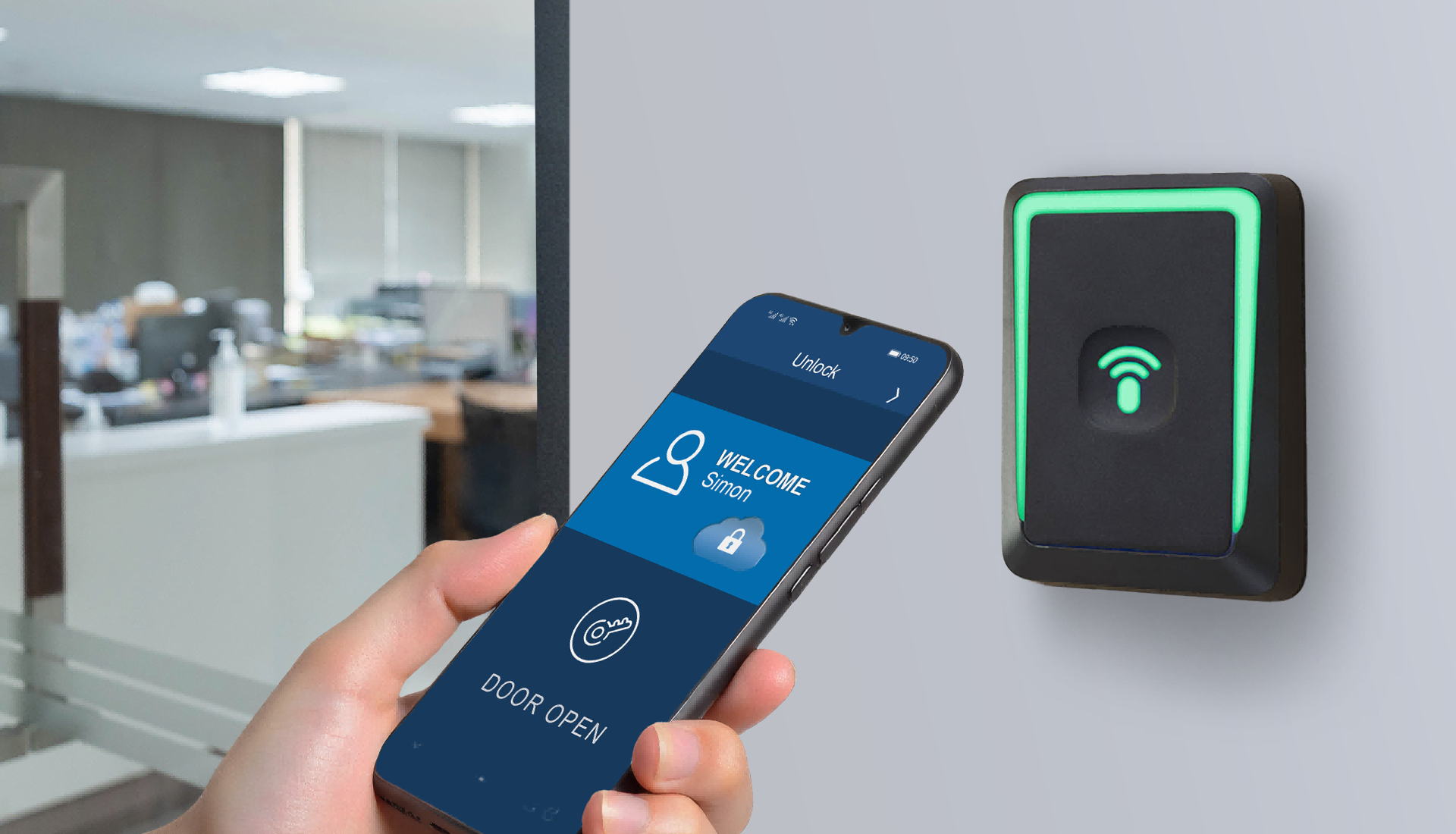



 Contact Us