

-

Applications

Industries

 OEM & ODM Service
 Development Service
 Download
 Technical support
 Warranty & RMA
 FAQS
FAQS
 My Community
 Who Is CIVINTEC
 Why CIVINTEC
 News & Express
 Cooperation




 Dec 17, 2025
Security in modern buildings has evolved far beyond traditional locks, keys. As smart buildings become the new standard, property managers and businesses need access solutions that are not only secure but also flexible, scalable, and easy to manage. QR code door access control fits perfectly into this shift—offering a fast, cost-effective, and highly adaptable way to manage entry across offices, residential complexes, co-working spaces, campuses, and more.
A key advantage of QR code–based access is the ease of issuing and managing credentials. Administrators can generate QR codes instantly and send them to users via email or text message, enabling quick onboarding for employees, visitors, or temporary workers. These codes can be customized, updated, or revoked remotely, making them ideal for buildings that require dynamic access management. Users simply scan their personalized QR code at the reader to gain entry, reducing the need for physical cards or shared keys.
This seamless workflow not only improves convenience but also enhances security and reduces operational costs—key priorities in modern building management.
In this article, we'll explore how QR code door access control works, the top benefits it brings to modern facilities, real-world usage scenarios, and best practices for implementation. Let's take a closer look.
QR code access control replaces traditional keys with scannable codes that store user-specific credentials. With QR code door access control, every code is uniquely tied to an authorized person, making it a simple, flexible, and highly secure alternative for modern buildings.
Here's how CIVINTEC QR code access control system works:
Administrators can easily add a new user to the QR code access control platform. Once added, the system automatically generates a unique QR code credential for that user. This code can be customized to be permanent, temporary, or time-restricted based on security requirements. For instance, full-time employees might receive permanent access codes for office doors, while hotel guests, contractors or delivery personnel can be issued temporary QR codes valid only for specific hours or days. This flexibility allows administrators to manage access dynamically and efficiently for temporary visitors without issuing physical keys or cards.
After enrollment, the QR code credential can be distributed instantly through multiple channels such as email, SMS, a mobile app, or printed on a visitor badge. Since QR code access control eliminates the need for physical keys or cards, visitors or newly checked-in guest is faster, more convenient, and cost-effective. This also reduces administrative overhead, as codes can be updated, revoked, or reissued remotely, ensuring that access remains controlled even for temporary or frequent visitors.
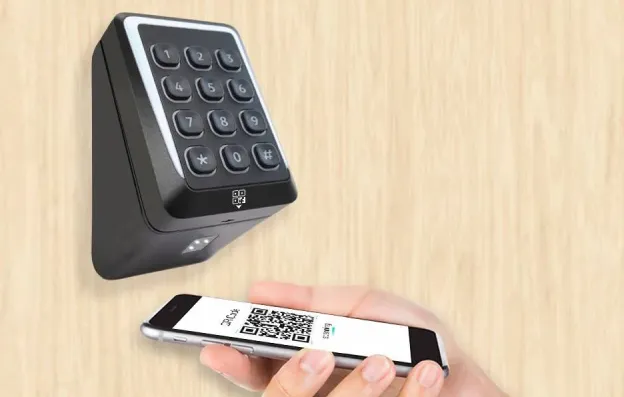
Upon arrival at the access control device, users simply present their QR code to reader or scanner installed at entry points. QR code readers quickly scan and verify the code, providing seamless and contactless entry. This makes QR code access control reader highly user-friendly, reducing queues and minimizing friction for employees, residents, or guests. The contactless nature also supports hygiene and safety in environments like hospitals or gyms.
CIVINTEC access control systems support real time data post to server to immediately verifies the QR code against the central access control database. It checks the data to confirm the user's identity, code validity, and permission levels. This real-time authentication ensures that only authorized users gain access, preventing unauthorized entry. Administrators can also monitor access in real-time, receive alerts for suspicious attempts, and maintain comprehensive audit logs. This is a core security advantage of QR code access control systems, combining convenience with robust protection.
Once the QR code is verified, CIVINTEC QR code door access control system automatically unlocks the door, gate, or turnstile. If the QR code is expired, invalid, or revoked, the system rejects the attempt and logs the event for security audits. This automatic control reduces the risk of human error and enhances overall security. CIVINTEC access control system can also set different access levels, ensuring that sensitive areas are accessible only to authorized personnel while common areas remain open to general users.
In short, QR code access control is simple and secure:
Send the QR code → scan at the reader → authenticate → unlock→ Record logs.
[block1]
QR code access control has quickly become one of the most efficient and adaptable security solutions for modern workplaces, residential buildings, and commercial environments. By using QR credentials, businesses gain a more flexible, cost-effective, and scalable way to manage secure entry. Here are the top benefits QR code access control brings to today's modern facilities.
For temporary visitors, QR code door access control is significantly more cost-effective than traditional systems that rely on physical keys, cards, or fobs. There's no need to purchase, print, or replace plastic badges or keycards—QR codes can be emailed, texted, or stored directly on a visitor's smartphone. For temporary workers, contractors, or visitors, this eliminates credential production costs altogether. Businesses also streamline their visitor management process, cutting manual workload and administrative expenses.
QR code access control systems can accommodate a virtually unlimited number of users without the logistical challenges associated with distributing physical credentials. Property managers can instantly issue QR codes to hundreds—or even thousands—of employees, guests, or event participants. For example, when organizing a large conference or meeting, distributing QR-based access makes crowd management simple, fast, and highly scalable.
One of the biggest advantages of QR code door access control is its convenience. Users simply open their smartphone app—or a saved QR image—and present it to the reader to unlock the door. No more forgotten access cards, no lost keys, and no physical contact required. This hands-free experience is ideal for modern workplace hygiene standards and enhances the overall user journey.
QR code access control helps administrators manage access with ease. Credentials can be issued, updated, or revoked remotely from a centralized dashboard—no physical handover required. Whether onboarding a new employee, granting temporary access to a service provider, or revoking permissions instantly, administrators enjoy a streamlined, highly efficient workflow with minimal overhead.
Dynamic QR codes provide the ability to update user permissions instantly—even if the code has already been sent or printed. Access levels, validity periods, and security rules can be modified in real time, saving time and eliminating waste caused by reissuing physical credentials.
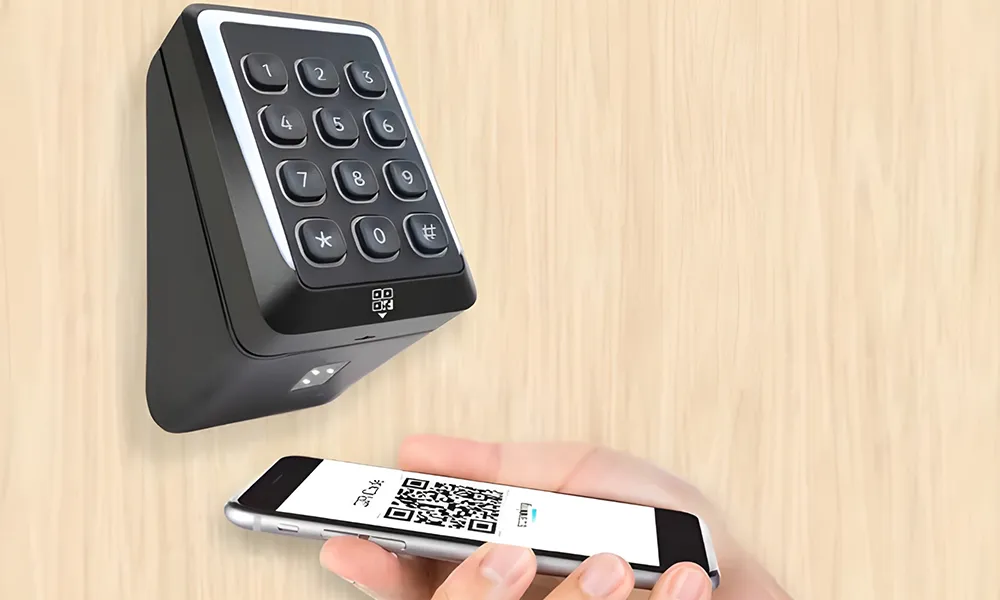
QR code access control systems have become an essential solution for managing secure and convenient entry for authorized personnel, visitors, and guests. By leveraging qr code access control, facilities can grant access for specific time periods while protecting sensitive areas. QR code door access control enhances security, streamlines operations, and reduces reliance on traditional keys or cards.
Here are the key applications of QR code access control:
QR code access control can simplify parking management by allowing authorized vehicles to enter and exit smoothly. Residents, employees, or visitors can be issued temporary QR codes for parking, valid for a few hours or days. The system can automatically log vehicle entry and exit times, helping manage parking availability and reduce congestion. For large events, temporary QR codes can provide controlled access to multiple parking zones without the need for manual checks.
Hospitals, clinics, and medical centers can use QR code access control to regulate entry for staff, patients, and visitors, while maintaining hygiene and security standards. Staff members can use their QR codes for access to operating rooms, laboratories, or storage areas, while patients and visitors receive time-limited codes for waiting areas or designated rooms. QR code door access control helps prevent unauthorized entry into sensitive areas and reduces physical contact, which is crucial for infection control.
Universities, schools, and training centers can enhance campus security by implementing QR code door access control. Students, faculty, and staff can use QR codes to access classrooms, libraries, laboratories, and dormitories. The system can generate temporary codes for guest lecturers, maintenance personnel, or student visitors. By tracking each access event, administrators can monitor attendance and ensure that only authorized individuals enter restricted areas.
Fitness centers and sports clubs can provide members with seamless entry using QR code access control. Members can receive QR codes through mobile apps for classes, gym entry, or specific areas like swimming pools and yoga studios. This system reduces the need for membership cards, improves check-in speed, and prevents unauthorized access. Temporary QR codes can also be issued for trial members or guests attending events or workshops.
Hotels can streamline guest check-in and room access using QR code door access control. Guests can receive QR codes via email or the hotel app, which allows them to unlock rooms, conference halls, or amenities such as pools and gyms. This contactless solution improves guest convenience, reduces queue times at the reception, and minimizes the need for physical key cards. Hotels can also track guest access to sensitive areas like back-of-house operations to enhance overall security.
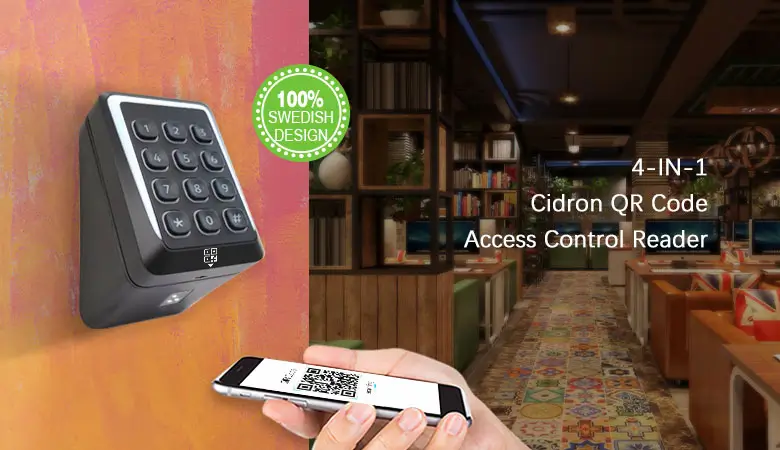
CIVINTEC QR code access control readers offer fast, reliable, and versatile solutions for modern access management. With fast and sensitive QR reading, they deliver instant verification, reducing wait times and improving user experience. These readers support a wide range of QR Code barcode formats, including 1D & 2D Codes, QR code, Micro QR code, PDF417, Code 128, Code 39, and most mainstream 1D and 2D barcodes, making them highly compatible with various QR code access control and QR code door access control applications across corporate offices, residential buildings, events, transportation hubs, and more. By combining speed, accuracy, and multi-format support, QR code access control readers enhance security while providing convenient, contactless access management for employees, residents, guests, and members.
[block2]


 Home >
  Share
Share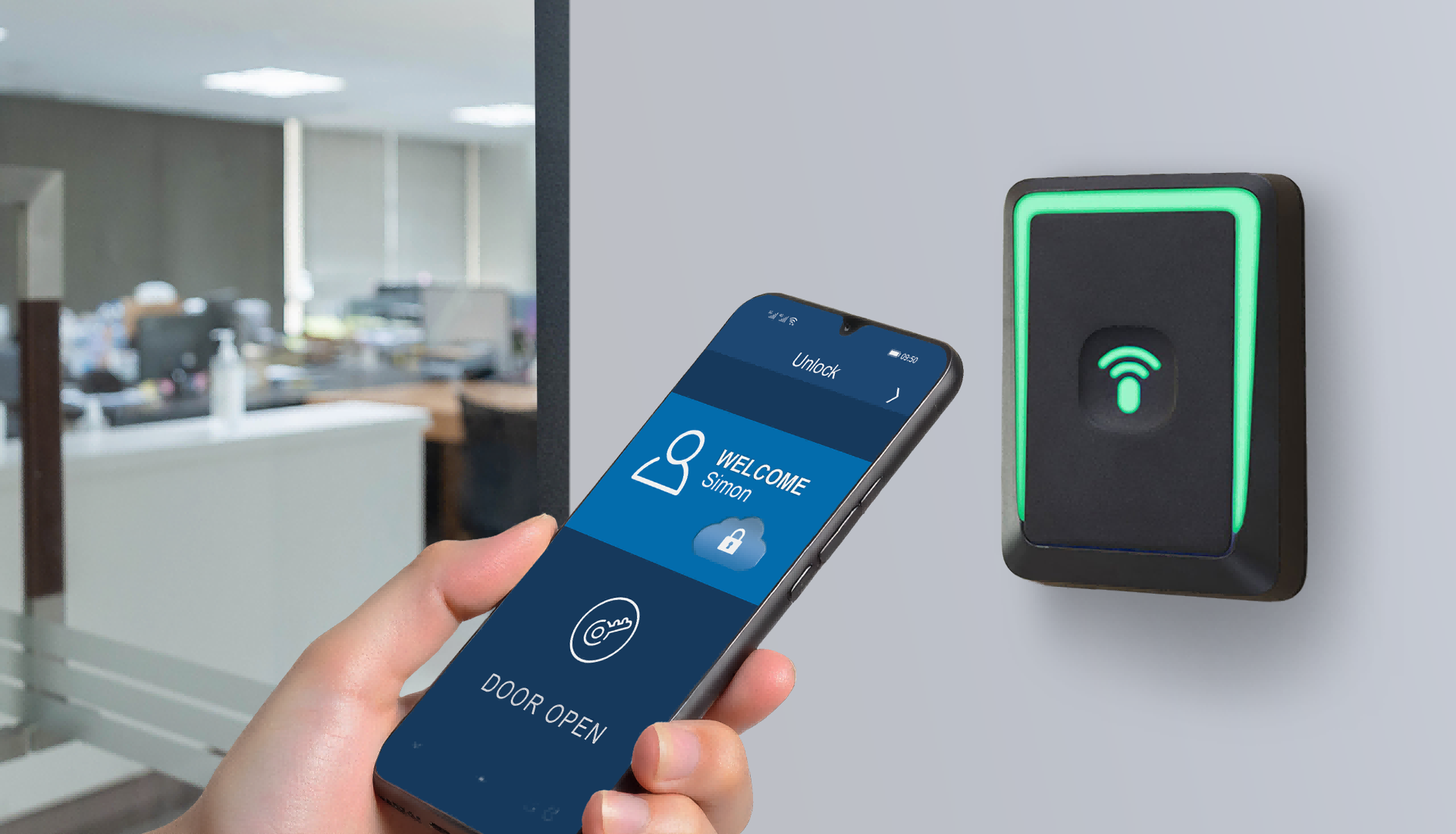




 Contact Us