

-

Applications

Industries

 OEM & ODM Service
 Development Service
 Download
 Technical support
 Warranty & RMA
 FAQS
FAQS
 My Community
 Who Is CIVINTEC
 Why CIVINTEC
 News & Express
 Cooperation




 Home >
About Us > Blog > Wireless Communication Access Control Solution: Revolutionizing Modern Security Systems
Home >
About Us > Blog > Wireless Communication Access Control Solution: Revolutionizing Modern Security Systems 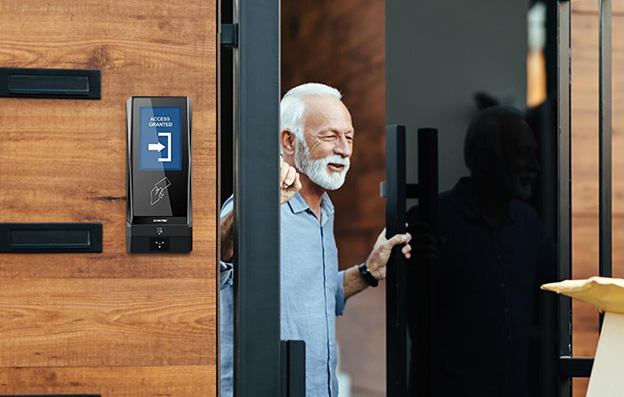
 Nov 26, 2025
As is well known regarding to access control system, wired communication has advantages such as security, stability; however, it also suffers from drawbacks such as high initial installation costs, long construction time, inability to move, limited flexibility for changes, high maintenance costs, small coverage area, and difficulty in expansion. With the development of communication technology, wireless communication networks have entered a new era. Their advantages, including powerful functionality, ease of installation, flexible networking, plug-and-play connectivity, and high mobility, enable wireless networks to provide unrestricted applications. They utilize various encrypted wireless communication technologies to control and monitor access to buildings, rooms, or specific areas, significantly enhancing security and operational efficiency.
The transition from traditional access control systems to wireless solutions represents a significant evolution in security technology. Historically, access control relied heavily on physical keys and wired connections, which were not only costly to install but also limited in terms of flexibility. Wireless systems have changed the game by offering scalable and adaptable solutions that can easily be integrated into existing infrastructure.
At the core of wireless communication access control systems is the use of digital credentials, such as RFID credentials, mobile credentials or biometric data, to authenticate and grant access. These systems communicate over secure wireless networks to verify credentials in real-time, ensuring that only authorized individuals can enter specific areas. This real-time communication capability is a game-changer for security management, allowing for immediate updates and adjustments to access permissions as needed.
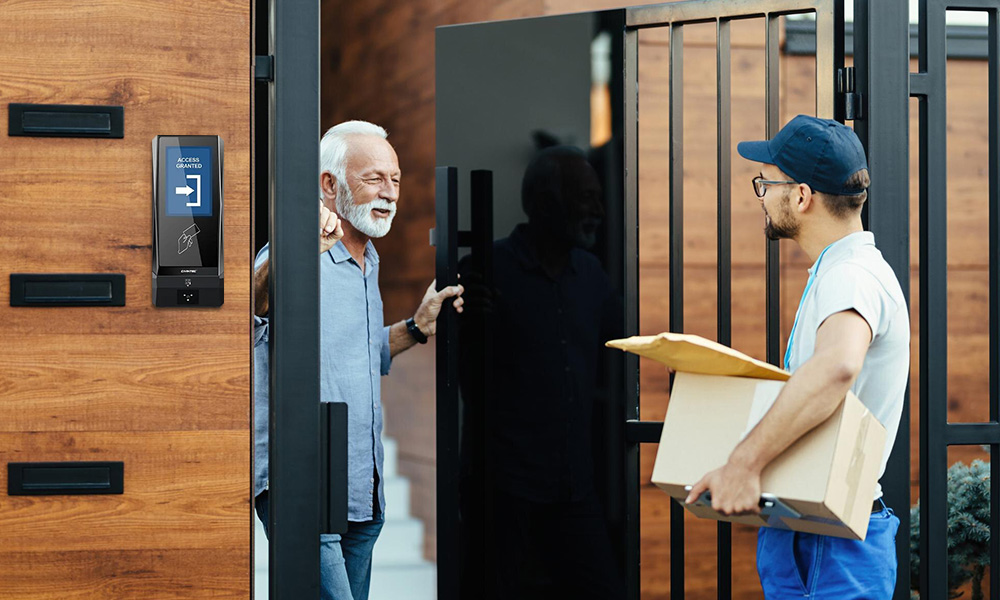
In the realm of wireless communication access control, several key technologies are integral to the successful implementation and operation of these systems.
WiFi access control systems have soared in popularity thanks to their seamless integration with existing network infrastructures. These systems stand out for being cost-effective—often cheaper than legacy access control solutions—and incredibly easy to install. They support remote management and real-time monitoring through software applications (including mobile apps), letting users control security settings instantly. Secure Remote Access Management: Enables encrypted transmission of entry credentials (fob signals, app passes) and verification logs; admins can lock/unlock doors, adjust permissions, and track real-time entry/exit activities via mobile/desktop apps, leveraging Wi-Fi's remote connectivity.
2.4G's standout features—High-Speed Data Transmission, Low Latency, Enhanced Capacity, and Improved Coverage—make it an ideal solution for applications where wired connections are unfeasible or where system redundancy needs to be strengthened.
Uninterrupted Wireless Connectivity: Operates via mobile data, eliminating reliance on physical cables and ensuring stable access control communication even in remote areas.
Secure & Reliable Data Transmission: Supports encrytped high-integrity data transfer for access credentials, verification signals, and entry logs, ensuring accurate identity authentication and audit trails.
Rapid Deployment & Flexibility: Avoids complex wiring requirements, enabling quick installation, easy reconfiguration, and hassle-free relocation—ideal for temporary sites or hard-to-wire buildings.
Real-Time Access Monitoring: Enables live tracking of entry/exit activities on smartphones, tablets, or laptops, with instant alerts for unauthorized access attempts.
Remote Access Management: Allows centralized control of user credentials (add/delete/modify), access permissions, and door status from anywhere globally—perfect for multi-location businesses.
Prompt Security Response: Facilitates quick action (e.g., remote lock/unlock, alert escalation) by administrators or security personnel, enhancing overall access control efficiency.
LoRa (Long Range) is a long-distance communication technology. Based on linear chirp spread spectrum modulation, it retains the low-power characteristics of frequency shift keying modulation but significantly increases the communication range. Chirp spread spectrum modulation offers long-distance transmission and excellent anti-interference capabilities, and has been used in military and aerospace communications for many years.
LoRa utilizes spread-spectrum modulation and forward error correction to achieve reliable communication over distances of 1–5 km, ensuring stable connectivity for large-scale access control deployments.
A single LoRaWAN network can support thousands or even tens of thousands of connected devices simultaneously, making it ideal for large-scale applications such as smart campuses and industrial security systems.
LoRaWAN integrates multiple security layers, including device authentication, data integrity verification, and MAC-level retransmission protection, preventing data tampering or forgery and ensuring secure communication across the network.
[block1]
wireless communication access control systems offer numerous advantages over traditional wired systems, making them an attractive choice for modern security needs.
Wireless communication access control systems are inherently flexible, allowing for easy expansion and reconfiguration as security needs evolve. They can be integrated with existing security infrastructure and are adaptable to different environments, from small offices to large industrial complexes. This scalability ensures that businesses can adjust their security measures in response to growth or changes in operational requirements.
By eliminating the need for extensive wiring and infrastructure, wireless communication access control solutions reduce installation and maintenance costs. This makes them a cost-effective option for businesses looking to enhance their security without significant capital investment. The reduced need for physical hardware also decreases the likelihood of system failures, leading to long-term savings.
wireless communication access control systems offer advanced security features such as real-time monitoring, remote access management, and instant alerts. These features provide greater control over who can access specific areas and enable quick responses to security breaches. The ability to manage access remotely also allows security personnel to maintain control even when off-site, enhancing overall security posture.
The installation process for wireless communication access control systems is straightforward, often requiring minimal disruption to daily operations. This simplicity allows for faster deployment and reduces the time needed to secure a facility. Businesses can therefore implement these systems with minimal downtime, ensuring continuity of operations.
wireless communication access control systems are used in a variety of settings, each benefiting from the technology's unique advantages.
In corporate environments, wireless communication access control systems help manage access to sensitive areas such as data centers and executive offices. The systems can be integrated with HR databases to automatically adjust access permissions based on employee status. This integration ensures that only authorized personnel have access to critical areas, protecting valuable assets and information.
Schools and universities utilize wireless communication access control to secure campuses and restrict access to student dormitories, faculty areas, and administrative offices. The flexibility of these systems allows for easy adaptation to the dynamic nature of educational institutions. Access permissions can be adjusted to accommodate temporary visitors, new students, or changes in faculty roles, ensuring a secure learning environment.
Hospitals and clinics require a critical balance between security and accessibility. wireless communication access control systems offer cloud-managed access control toggle to set door stays unlocked mode (free access) in public zones, door stays locked mode (no access) for a security lockdown, and normal access control mode (validates permissions) provides the sustained, intelligent, and dynamic security layer that is essential for the safe and efficient operation of a modern hospital.
Due to the long-range transmission capabilities of technologies like LoRa, hotels and campsites no longer require extensive cabling to provide comprehensive access control coverage. Wireless systems help secure guest areas, staff access points, and common spaces. They can be integrated with other access control devices such as door readers, keypads, and mobile access solutions to streamline guest entry and improve security management. This makes LoRa an ideal solution for sprawling hotel resorts and large campsites where traditional wiring is prohibitively expensive or impractical to deploy.
The Internet of Things (IoT) is transforming access control by connecting smart devices to a centralized network, enabling real-time monitoring and management of personal identification. With IoT-based systems, access is controlled without the need for physical keys, and security is enhanced through advanced personnel identification, such as biometric scans, RFID/mobile crednetials. These systems also allow for seamless control of external devices like machine, lighting and all integrated into a unified platform.
[block2]
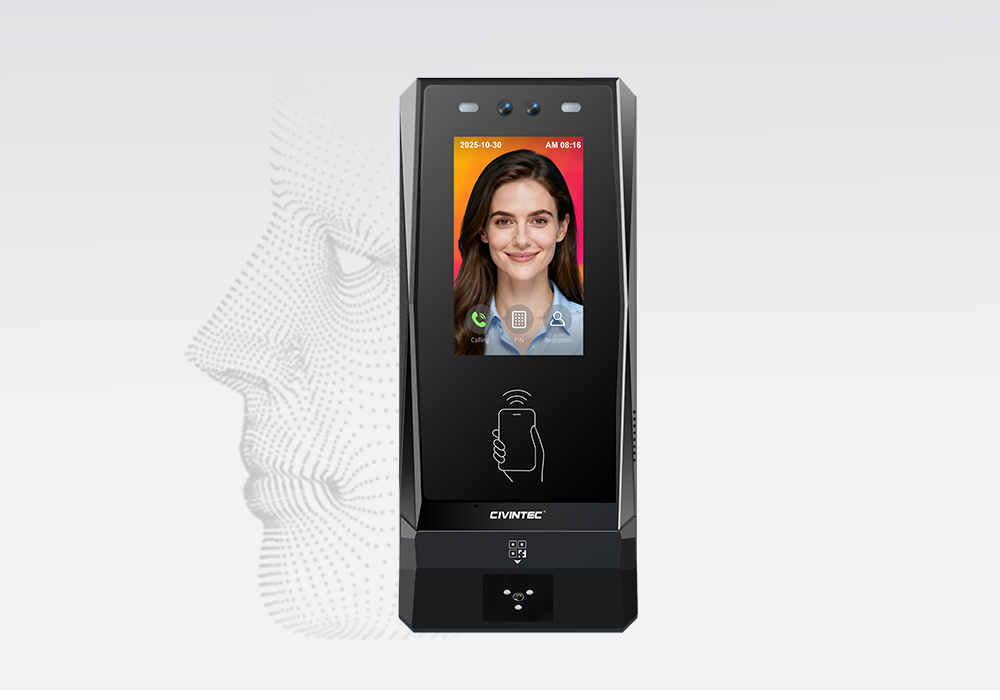
By eliminating complex wiring and reducing installation time, a wireless communication access control system significantly cuts labor and infrastructure expenses. The CT9 wireless terminal further lowers long-term costs with easy maintenance and flexible deployment options.
Because they can be expanded or reconfigured anytime without cabling work. A device such as the CT9 allows you to add new doors or users instantly through wireless connectivity.
Yes. Modern wireless systems use encryption and secure communication protocols to protect all data. The CT9 supports encrypted communication to ensure safe access transactions.
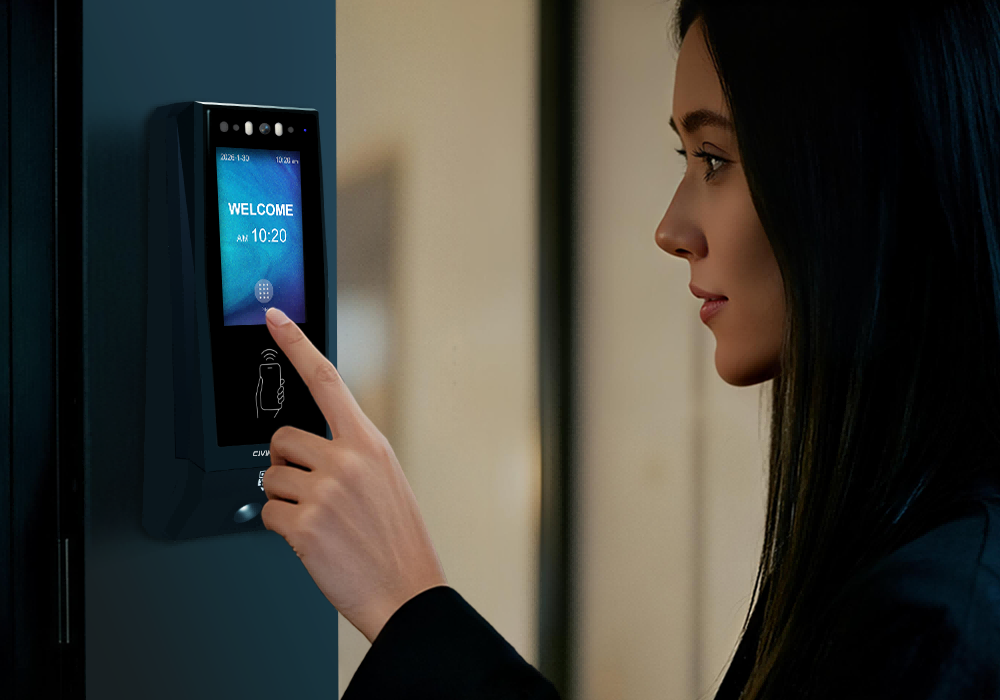
They are widely used in offices, gyms, schools, hospitals, and industrial sites. For example, the CT9 works well in campuses or remote industrial areas thanks to its WiFi/4G support.
It depends on the application—WiFi for offices, 4G for remote sites, LoRa for long-range coverage, The CT9 integrates multiple wireless options, making it suitable for different environments.


 Share
Share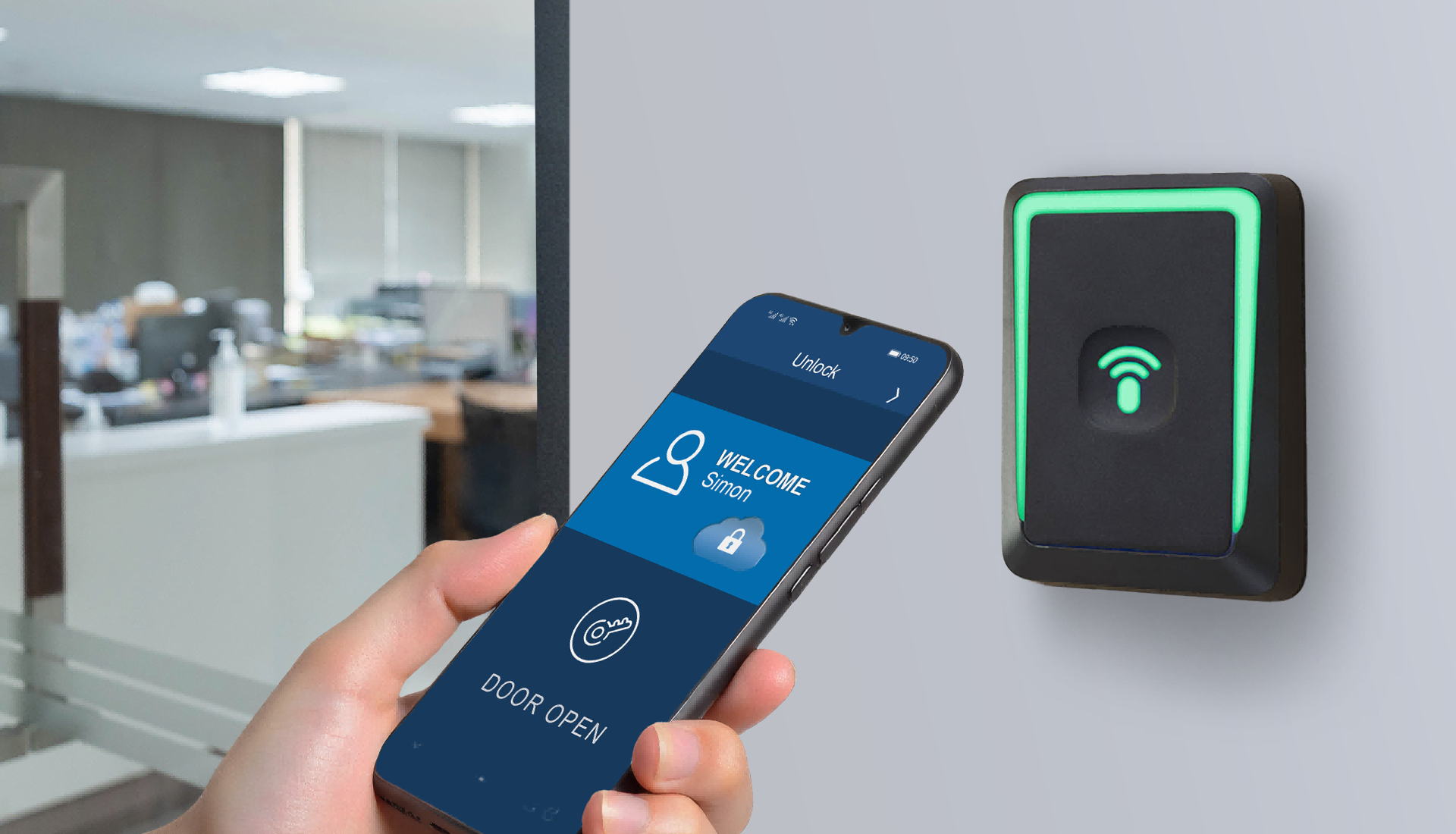



 Contact Us