



 OEM & ODM Service
 Development Service
 Download
 Technical support
 Warranty & RMA
 FAQS
FAQS
 My Community
 Who Is CIVINTEC
 Why CIVINTEC
 News & Express
 Cooperation




 Home >
About Us > Blog > CIVINTEC CT11: Smart Facial Recognition Access Control System with VoIP Intercom
Home >
About Us > Blog > CIVINTEC CT11: Smart Facial Recognition Access Control System with VoIP Intercom 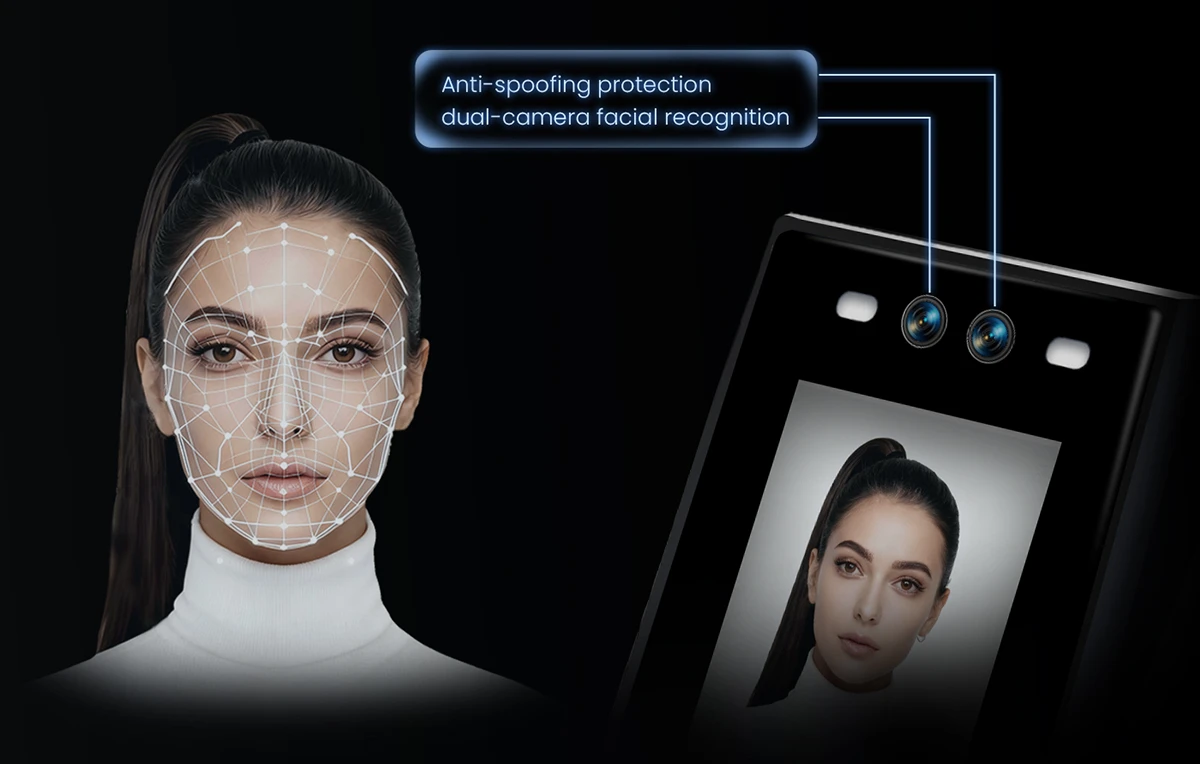
 Jul 28, 2026
Managing a modern facility requires an uncompromised focus on operational security, physical safety, and seamless identity verification. Across corporate headquarters, smart residential complexes, commercial office towers, educational campuses, and high-security institutions, administration teams continuously combat structural access vulnerabilities. Coordinating high-volume pedestrian traffic through primary entry points while maintaining strict perimeter control presents an ongoing operational challenge.
Legacy security checkpoints frequently introduce frustrating operational bottlenecks. Traditional card-swipe mechanisms or unencrypted proximity readers create significant security gaps, leaving properties highly susceptible to credential sharing, badge cloning, and unauthorized facility entry. Furthermore, exposed outdoor perimeters and high-traffic entrance corridors present challenging environmental conditions—ranging from direct, intense sunlight and moisture to physical wear and tear—that can quickly cause access control hardware to fail.
To resolve these universal vulnerabilities, forward-thinking organizations are modernizing their facility frameworks. They are transitioning from siloed, legacy access control points toward unified, multi-modal Facial Recognition Access Control System architectures. As an industry-leading partner among premium global access control systems manufacturers, CIVINTEC has engineered a next-generation solution designed to address these exact operational pain points.
The CIVINTEC CT11 Biometric Facial Access Control Terminal combines advanced edge-computing biometrics, extensive multi-protocol card scanning, secure mobile credential processing, dynamic event logging, and an integrated VoIP intercom engine into a single, hardened enterprise terminal. This technical analysis explores the performance telemetry, architectural integrations, and structural advantages of deploying the CT11 across modern facility infrastructure networks.
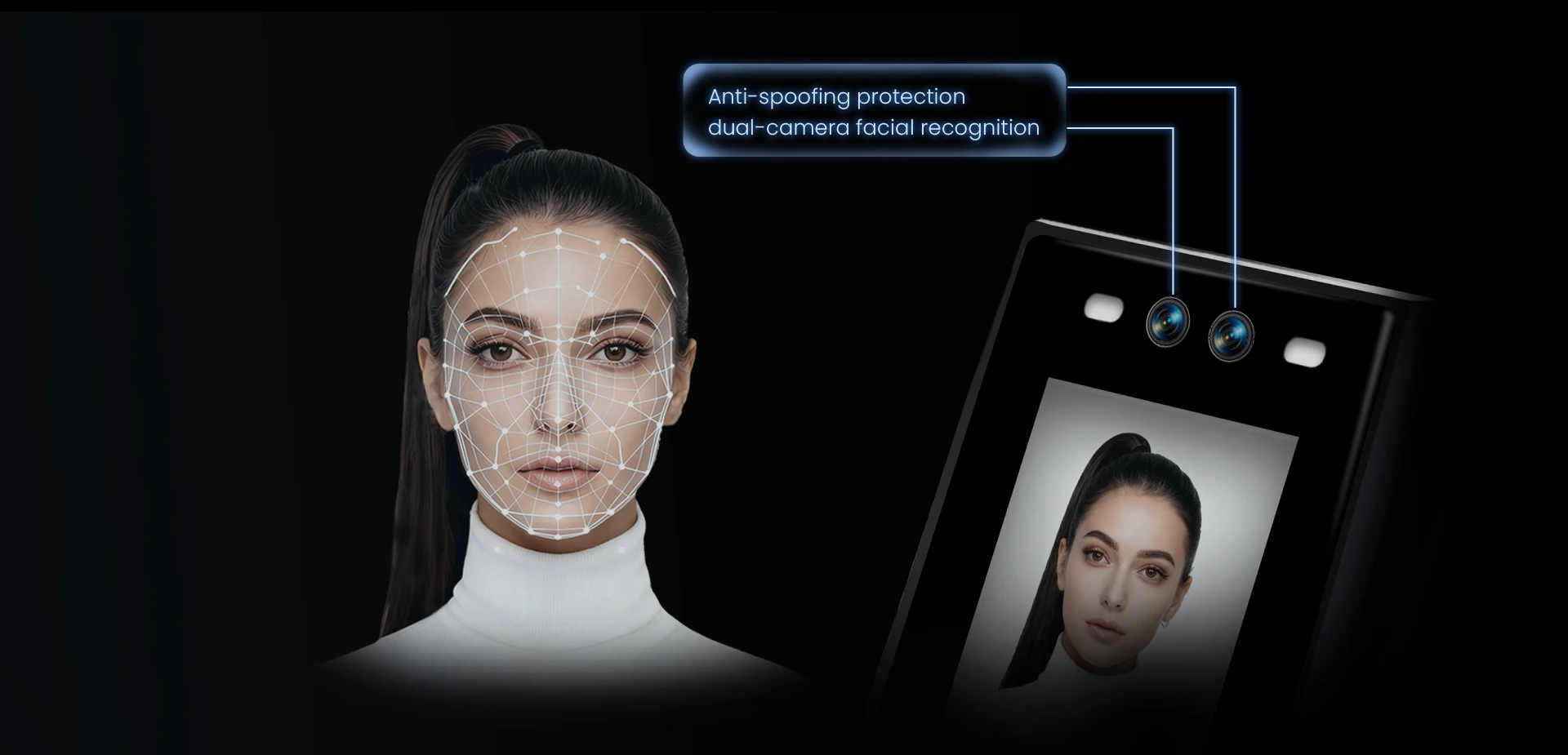
The primary verification highlight of the CIVINTEC CT11 is its high-performance facial recognition engine, designed to deliver absolute identity verification and premium convenience at primary property perimeters, main lobby gates, and high-tier residential entrances. The system routes visual authentication data through a high-definition dual-camera processing pipeline that analyzes live biological movement in real time to ensure maximum security.
Standard facial readers can often be bypassed using high-resolution printed photographs or digital video loops displayed on a smartphone. The CT11 entirely blocks these presentation attacks by utilizing a 2MP dual-camera array with autofocus and an integrated LED flash.
The dual-lens system captures both standard visible RGB data and infrared (IR) spectral profiles simultaneously. By evaluating live surface textures, multi-dimensional depth, and infrared thermal reflections, the edge computing engine verifies that the subject is a live human being. It instantly rejects flat media, digital displays, and 3D molded masks to protect your facility against unauthorized entry.
Busy entry zones require rapid processing speeds to prevent pedestrian queuing during peak morning hours or shift transitions. The CT11 facial matching engine processes templates at high speed, completing identification handshakes in approximately 0.015 seconds.
Combined with a generous dynamic reading range of 30 to 150 centimeters, users can maintain a natural walking pace through turnstiles, speed gates, or lobby portals without needing to stop or align themselves perfectly with the terminal lens.
The facial recognition core is designed to accommodate day-to-day appearance changes. It identifies users accurately even when they are wearing corrective eyeglasses, fashion sunglasses, makeup, heavy earrings, baseball caps, or hats, eliminating false rejections on a daily basis. The access control terminal's internal edge database accommodates up to 50,000 distinct facial profiles locally, supporting massive user bases with ease.
Beyond automated credential matching, the CT11 introduces a built-in VoIP Intercom engine to support multi-tenant residential complexes, commercial office buildings, and secure reception areas. This integration turns the terminal into a real-time voice communication hub, providing an essential layer of physical protection and visitor verification.
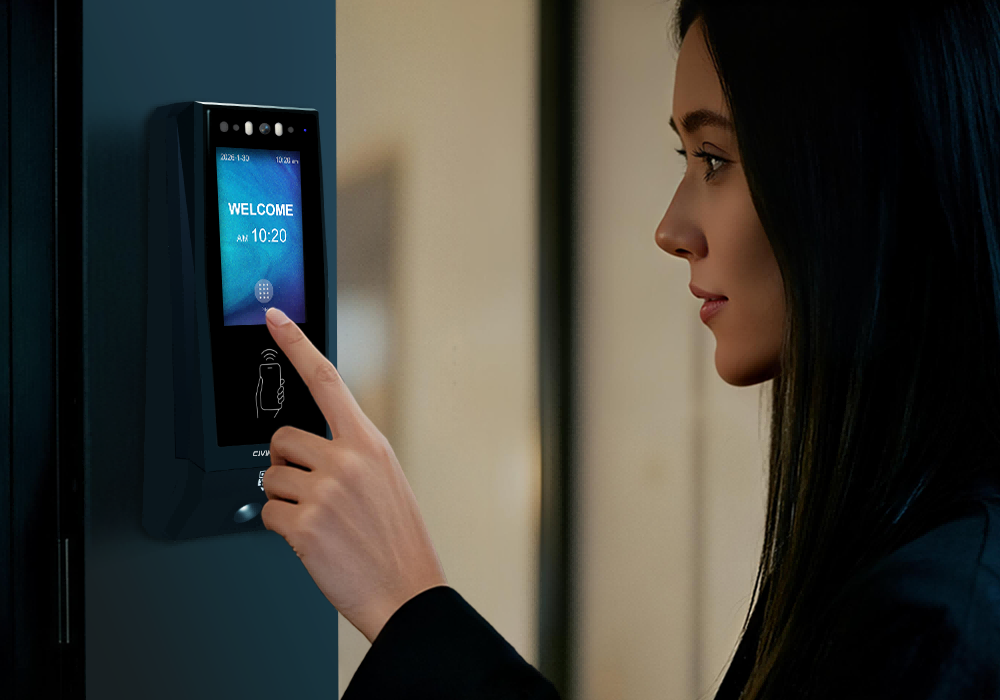
The access control terminal includes a high-fidelity internal speaker and a microphone core to support clear, duplex communication. When a visitor, delivery courier, or temporary contractor approaches a locked entry door and requires assistance, they can initiate a direct intercom call by pressing the dedicated "Call Reception" prompt on the CT11 touch interface.
The verification process operates as a fluid security sequence: an external visitor approaches a secure entryway and presses the dedicated call reception prompt directly on the terminal touch interface. The access control system immediately initiates a real-time audio stream to the remote security dashboard. The security officer reviews the live telemetry feed, verifies the visitor's credentials, and issues an encrypted cloud release command, prompting the terminal to activate its internal output relay and release the physical door lock. This integration eliminates the need for separate, third-party intercom hardware, creating a streamlined physical security solution.
To simplify safety administration and provide unalterable evidence for facility managers, the CT11 features a comprehensive data capture engine. This module functions as an active edge vault, keeping track of all everyday entries, system alarm triggers, and unauthorized access attempts.
Automated Camera Snapshot Captures: Every time an individual presents a credential—whether their attempt is granted or denied—or triggers a system alarm (such as a tamper switch or a forced-door signal), the CT11 automatically snaps a real-time, high-resolution photo of the user via its autofocus camera.
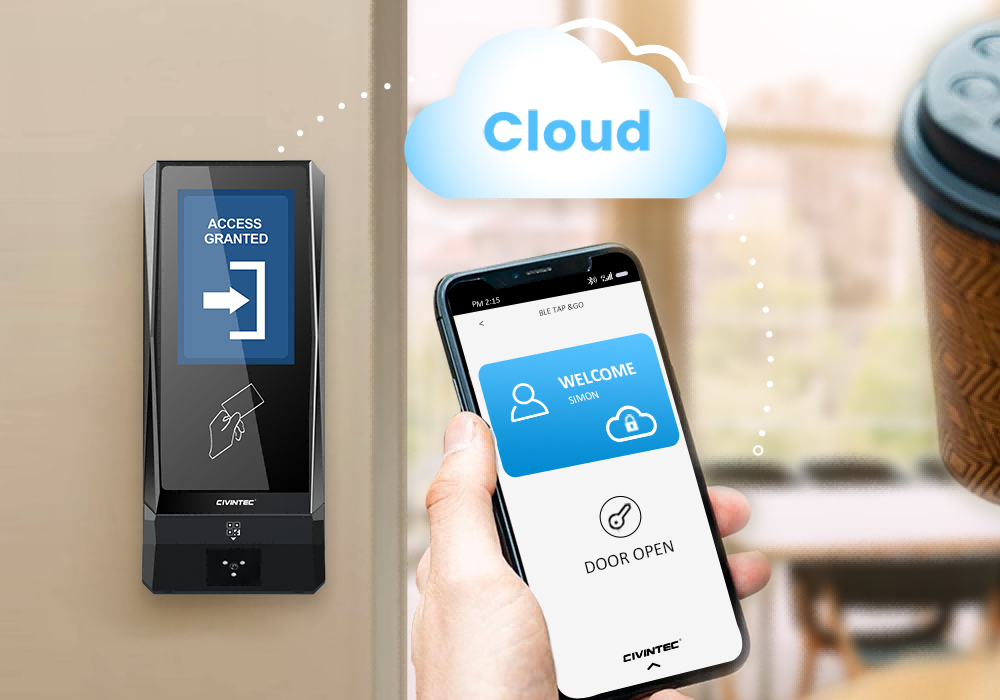
Intelligent Real-Time Cloud Synchronization: When the access control terminal is running in online mode, all encrypted transaction logs, alarm states, and corresponding image files are transmitted immediately over the network to your central cloud database or server architecture. This gives management teams real-time visibility into building activity from any authorized dashboard.
Fail-Safe Standalone Storage: If a network switch fails or internet connectivity drops, the access control terminal automatically switches to its autonomous local mode. The device continues to validate permissions and logs all event data, securely caching up to 200,000 text event logs and 7,000 high-resolution visual photo logs within its non-volatile internal flash memory. Once network connectivity is restored, the terminal automatically performs a secure reconnect handshake and flushes the cached logs to the cloud, guaranteeing complete data integrity.
Modern properties handle a highly diverse mix of personnel daily. Full-time staff, facility managers, property residents, temporary guests, and delivery couriers all require distinct tiers of access permission. The CT11 addresses this need by serving as a comprehensive 5-in-1 multi-modal authentication hub, processing biometrics, RFID smart cards, mobile credential , QR code / barcodes, and PIN codes within a single access control terminal layout.
Transitioning toward mobile identity credential allows facilities to reduce the overhead costs associated with purchasing, printing, and replacing physical plastic badges. The CT11 features built-in high-speed short-range wireless communication modules to handle modern mobile-first tracking requirements:
NFC Access Control System Integration: Operating at a precise proximity frequency of 13.56MHz, the terminal incorporates an advanced NFC access control system core. This configuration supports direct NFC communication for Android devices, requiring the user to bring their smartphone within 4 centimeters of the terminal face to trigger an access event. This close-range interaction makes NFC ideal for high-security points where background credential reading must be avoided.
BLE 5.3 Architecture: For hands-free transit, the CT11 features a high-performance BLE 5.3 module that supports wireless tracking across both iOS and Android platforms. System developers can adjust the terminal's BLE broadcast range via software parameters. This lets them create contactless access zones where the device detects an authorized smartphone credential as the user approaches, automatically logging the event and releasing the lock without requiring them to stop or pull their phone from their pocket.
For facilities utilizing physical badges, the CT11 includes a dual-frequency card reader that simultaneously processes legacy low-frequency cards and high-frequency smart card profiles. The reader handles 125KHz HID Prox and EM proximity cards alongside 13.56MHz Mifare Classic, Ultralight, and Mifare Plus credentials.
To protect critical areas from card-cloning threats, the terminal provides native support for NXP MIFARE DESFire EV1, EV2, and EV3 secure chipsets using advanced 128-bit AES encryption. All cryptographic key handshakes are executed within an integrated, tamper-proof hardware vault: the MIFARE SAM (Secure Access Module) AV2/AV3 slot, certified to EAL5+ protection standards. This ensures that even if external data communication lines are compromised, the root security keys remain protected within the terminal's hardened edge vault.
For temporary personnel, delivery drivers, and short-term service vendors, the CT11 incorporates a dedicated, high-speed optical QR code scanning module. The QR Code scanner reads both 1D and 2D barcode formats, including standard QR codes, Micro QR codes, PDF417, Code 128, and Code 39 layouts.
Through your custom cloud software, administrators can automatically email or send SMS a time-restricted, QR code to a visitor before they arrive on-site. When presented to the CT11 scanning lens, the access control system decodes the QR credential, records the precise log timestamp, and opens the gate barrier.
The physical architecture of the CIVINTEC CT11 is engineered to deliver sustained structural reliability across diverse deployment environments. The internal electronics run on a stable Linux operating system and feature a bright 3.5-inch touch display that allows system designers to present custom backgrounds, brand logos, and text notifications.
To ensure maximum durability in exterior, high-impact, or exposed architectural installations, the CT11 terminal complies with three strict protection standards:
Waterproof and Dustproof Rating (IP65): The internal circuitry is fully sealed with an electrical epoxy potted layer, preventing water ingress, driving rain, moisture condensation, and fine dust from compromising the system.
UV-Resistant Housing Hardening: Both the external casing and the interactive 3.5-inch touchscreen interface are treated with a specialized UV-resistant coating. This prevents the terminal from yellowing, cracking, or suffering display degradation when installed in areas exposed to strong, direct sunlight.
IK07 Mechanical Impact Protection: The structural terminal housing is reinforced to deliver an IK07 impact rating. This level of mechanical resilience ensures the terminal resists physical vandalism, hard accidental knocks, and structural stress, making it well-suited for high-traffic public access corridors and exterior perimeters.
The access control terminal's slim physical footprint allows for flexible mounting on standard door mullions, architectural columns, or automated gate stanchions. It supports direct DC 12V-24V power configurations alongside Power over Ethernet (PoE IEEE802.3af), allowing network data and electrical power to safely travel over a single RJ45 network cable.
Modern properties feature diverse IT environments. While corporate office interiors generally offer structured Ethernet cabling, remote logistics fences, parking facilities, and distributed properties often lack physical data wires. The CT11 addresses these network challenges by supporting multiple wired and wireless communication options.
The network framework follows an integrated telemetry pipeline: a central enterprise cloud server coordinates log tracking, live permissions, and master human resource directories across the entire network. Data moves dynamically from localized edge terminal hubs over wired TCP/IP PoE connections in corporate structures, encrypted Wi-Fi across production floors, mobile 4G LTE and GPS connections at remote logistics outposts, or long-range LoRaWAN channels across expansive storage zones.
TCP/IP Ethernet with PoE Connectivity: Connects directly via a standard RJ45 port for permanent installations, providing high-speed network communication and secure cloud database synchronization.
2.4GHz Wi-Fi Stacks: Built-in Wi-Fi modules (IEEE802.11 b/g/n) allow the terminal to integrate with your corporate wireless network, keeping all records updated without the need to run extra data cables.
Embedded 4G LTE and GPS Wireless Telemetry: For distant exterior locations or mobile deployment environments, the CT11 can be configured with an internal 4G cellular modem. This cellular path eliminates dependency on physical Ethernet runs. Concurrently, the integrated GPS module provides location verification tracking, ensuring that mobile or distributed terminals operate exactly within their authorized geographical areas.
LoRaWAN Long-Range IoT Integration: For expansive spaces such as commercial complexes, transport ports, and large storage yards, the CT11 supports LoRaWAN connectivity. This long-range, low-bandwidth IoT network technology allows edge terminals to send compressed check-in payloads across multiple kilometers back to a central gateway, offering an efficient networking alternative.
To help network managers and technical procurement leads choose the ideal edge infrastructure solution for their corporate facilities, the following matrix outlines the core functional differences across the prime CIVINTEC hardware terminal lineup:
Technical Parameter | CIVINTEC CT11 | CIVINTEC CT10 | CIVINTEC CT9 Pro | CIVINTEC CT9 E |
Primary Design Focus | Touchless 5-in-1 Biometric Facial Recognition Access Control and VoIP Intercom PDF+ 1 | Advanced Touchscreen Hub with Integrated Event Capture Camera and 4G Telemetry | Rugged Touchscreen Multi-Credential Access Hub | All-in-One Touch Keypad Wireless Cloud Access Control Terminal |
User Interface Hardware | 3.5" Touch Screen Linux OS with SDK | 3.5-inch Interactive Toucher UI display | 3.5-inch Color Touchscreen UI display | 12-digit Touch Digital Keypad with White LED Backlit |
Biometric / Capture Core | 2MP Dual-Camera Visual/IR Engine with Anti-Spoofing | Automated Event-Driven Verification Camera | None (External Hub Format) | None (Keypad Base Format) |
Supported Credentials | Face, RFID (125KHz/13.56MHz DESFire), BLE, NFC, QR Code, PIN | RFID, NFC, BLE, QR Code, Event Photo Capture | RFID (125KHz/13.56MHz DESFire with SAM), BLE, NFC, QR Code, PIN | Touch Keypad PIN, RFID (125KHz/13.56MHz), BLE, NFC, QR Code |
Intercom Core Modality | Native VoIP Intercom Support via RTSP Protocol | Native VoIP Intercom Support via RTSP Protocol | None | None |
Network Interfaces | TCP/IP Ethernet (PoE), Wi-Fi, 4G LTE + GPS, LoRaWAN | TCP/IP Ethernet (PoE), Wi-Fi, 4G LTE + GPS Wireless Core | TCP/IP Ethernet (PoE), Wi-Fi, 4G LTE | TCP/IP Ethernet (PoE), Wi-Fi, 4G LTE |
Detailed Product Link |
To streamline payroll tracking and simplify door lock management, the CT11 shifts standard administrative tasks to the network edge. This design minimizes server load and guarantees rapid user processing.
For modern factories, recording a basic check-in timestamp is rarely sufficient. To calculate complex shift payrolls accurately, log entries must convey the exact context of an employee's movement. The CT11 meets this requirement by supporting fully programmable, software-defined Function Keys across its Linux-based touch interface.
Using the open SDK, developers can customize the interface layout to include various task buttons, such as a dedicated Regular Shift In window, a Regular Shift Out command, Overtime Shift logging, or mandatory rest Break Out options. When a worker interacts with a Function Key and authenticates via facial recognition, the time attendance terminal appends a specific state modifier code directly to the transaction payload before transmitting it.
This access control logging setup means that rather than receiving an uncontextualized timestamp, your central database receives a clean, structured text string containing the explicit terminal ID parameter, the real-time chronological ISO timestamp, the unique user identification marker, the biometric verification validation type, and the corresponding shift event modifier. This granular edge tracking ensures that your custom enterprise cloud software receives completely contextualized data packets in real time, eliminating reporting gaps, preventing time-theft disputes, and automating payroll processing straight from the factory floor. Developers can easily customize or add keys using the SDK libraries to match their facility's tracking logic.
Managing physical assets during emergency events or shift changeovers requires responsive lock control. The CT11 features an advanced cloud-based Access Control Toggle Function. With a simple HTTPS command issued from your central server, administrators can instantly change the device's operational mode:
Locked Mode (No Access): Locks the terminal down completely during off-hours, blocking all users regardless of standard permissions.
Unlocked Mode (Free Access): Relaxes the lock mechanism to allow open, unrestricted transit during high-volume shift turnarounds.
Normal Access Control Mode: Restores standard operation, dynamically validating individual permissions for biometrics, cards, or codes.
This remote toggle function allows security teams to manage facility perimeters globally without needing to manually reconfigure individual terminals on the factory floor.
To support broad software flexibility and prevent vendor lock-in, CIVINTEC balances its high-end physical products with extensive system integration support. Beyond providing comprehensive, pre-configured access control terminal configurations, CIVINTEC offers an open, highly stable, and comprehensive Software Development Kit (SDK). This dual capability allows enterprise clients to run standard systems immediately or engineer bespoke management environments tailored to unique corporate infrastructure needs.
The SDK removes standard development hurdles by abstracting low-level machine coding, proprietary firmware protocols, and complex hardware instructions into clean, developer-friendly communication functions. This open-architecture development environment enables enterprise IT groups, independent software vendors (ISVs), and system integrators to achieve rapid application deployment, combining high-tier hardware procurement with extensive Linux software and firmware customization layers.
To speed up development, CIVINTEC provides a plug-and-play Hardware Testing Package (HTP). This comprehensive bundle includes the Configcard software utility and all essential accessories required to set up a full testing environment. Developers can quickly test terminal features, build custom UI layouts, verify credential formatting, make server software integration via HTTP/HTTPs protocols, and push wireless software/firmware upgrades via BLE OTA (Over-the-Air) or remote TCP/IP. This complete integration ecosystem ensures rapid deployment, high data security, and long-term scaling potential for any custom access network.
Choosing the right device configuration requires aligning hardware features with specific installation locations across your multi-site network.
The Technical Challenge: Managing hundreds of employees or residents arriving simultaneously during peak turnaround hours. Delays at primary perimeters directly disrupt operational efficiency.
The Optimal CT11 Configuration: Deploy the CT11-QP-2R-UV configuration, which integrates sub-0.015s face recognition, dual-frequency RFID card scanning, and built-in PoE power ingestion. The dual-relay output allows for direct integration with automated physical turnstiles and signal light towers to orchestrate smooth pedestrian transit traffic.
The Technical Challenge: Preventing unauthorized entry into restricted corporate divisions while maintaining touchless interactions for staff members carrying technical items.
The Optimal CT11 Configuration: Deploy the CT11-W-P-UV configuration connected to your internal wifi access control system network. The contact-free facial recognition camera allows engineers to gain touchless entry seamlessly. For secondary validation at high-security points, staff can use the nfc access control system core to authenticate securely via corporate smartphones.
The Technical Challenge: Setting up secure access checkpoints along distant external property lines or transient shipping spaces where extending physical network wiring is cost-prohibitive.
The Optimal CT11 Configuration: Deploy the CT11-H-Q-2R-UV terminal, which features embedded 4G LTE cellular connectivity and a high-capacity QR scanner. This wireless model operates independently of local network cables, routing data securely to your cloud based access control systems. Contractors and logistics drivers present dynamic QR codes to the scanning lens for fully automated site entry.
[block2]
Selecting a reliable hardware foundation is critical when building a scalable, resilient access architecture for modern workforces and residential spaces. By prioritizing multi-modal flexibility, rugged environmental protection, open system integration, and high-performance edge biometrics, CIVINTEC provides the dependable physical foundation needed to support complex enterprise management networks.
Whether you need to streamline high-volume pedestrian rotations at primary building gates, secure remote logistics spaces using 4G LTE cellular technology, or build an open infrastructure via a tailored system framework, CIVINTEC hardware ensures accurate data collection in demanding environments.
To access technical documentation, request hardware testing packages, or discuss your upcoming system architecture with an expert engineer, visit our official CIVINTEC Contact Page to initiate a project consultation today.


 Share
Share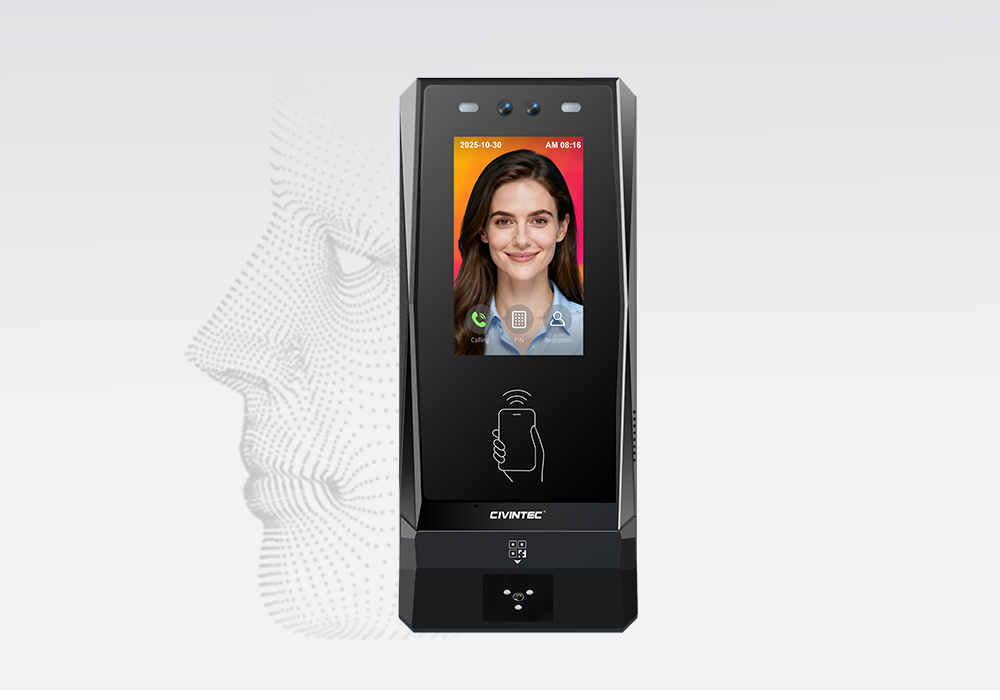


 Contact Us