

-

Applications

Industries

 OEM & ODM Service
 Development Service
 Download
 Technical support
 Warranty & RMA
 FAQS
FAQS
 My Community
 Who Is CIVINTEC
 Why CIVINTEC
 News & Express
 Cooperation





 Aug 22, 2026
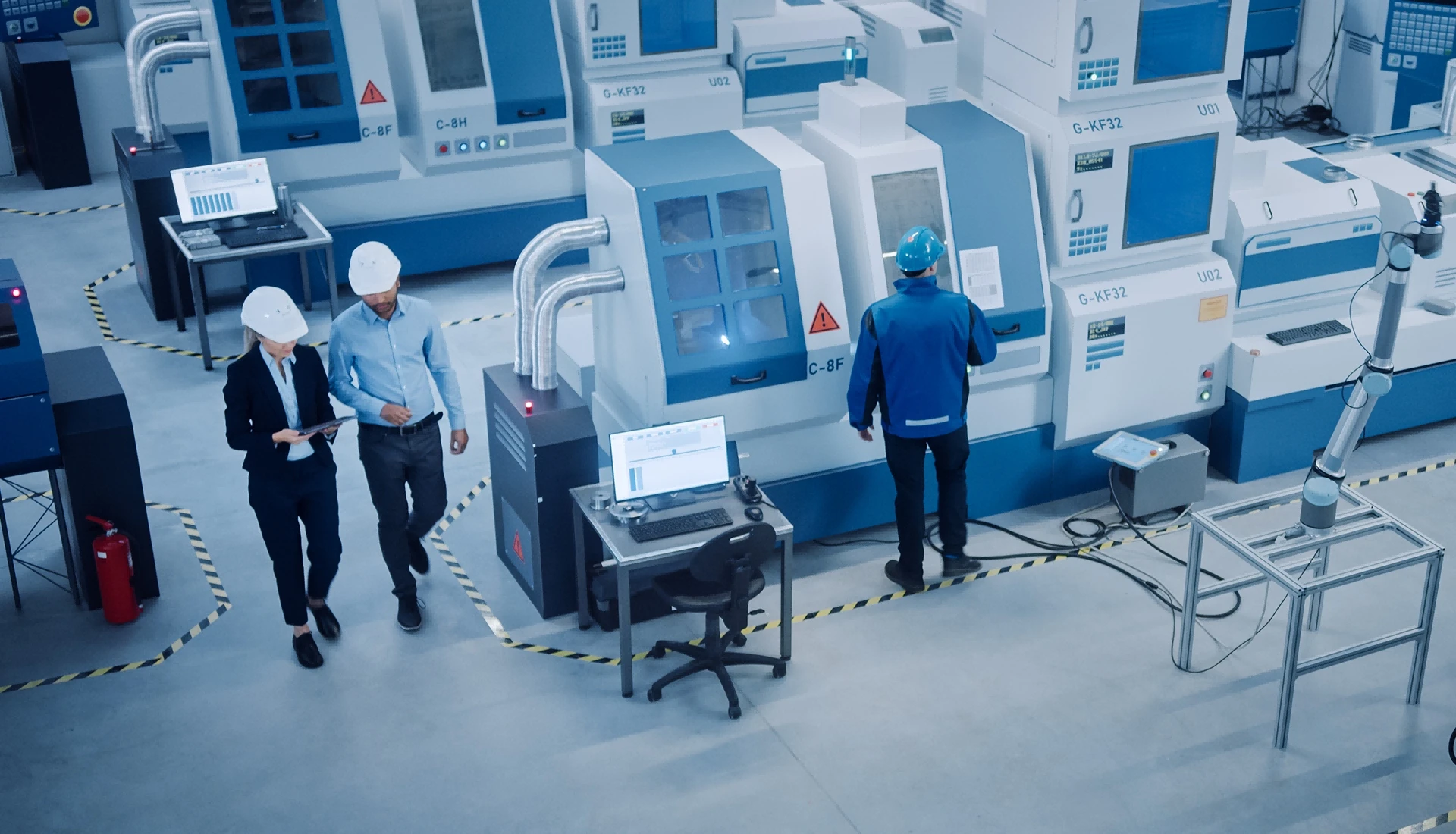
Industrial manufacturing facilities represent dynamic, complex environments where operational uptime, asset protection, and personnel safety are inextricably linked. Modern manufacturing plants—spanning automotive assembly plants, semiconductor fabrication facilities, heavy machinery workshops, chemical refineries, and food processing lines—house millions of dollars in proprietary technology, hazardous raw materials, and critical intellectual property. In these sprawling environments, physical security cannot be treated as a one-size-fits-all perimeter fence.
Managing thousands of personnel, specialized contractors, external logistics drivers, and visitors across diverse operational areas presents an ongoing challenge. A manufacturing site contains vastly different zones: high-throughput main turnstiles where shift changeover speed is critical; harsh production floors exposed to conductive dust and machine oils; sterile cleanrooms requiring strict hygiene compliance; and high-security R&D vaults demanding cryptographic credential protection. Relying on legacy keys, magnetic stripe badges, or unencrypted proximity cards creates severe vulnerabilities, including credential cloning, unauthorized zone cross-over, buddy punching, and safety blind spots.
To establish comprehensive site protection, forward-thinking plant directors and security engineers are implementing multi-zone access control system frameworks. As an established global leader among access control systems manufacturers, CIVINTEC delivers industrial-grade hardware engineered specifically for complex manufacturing facilities. By integrating edge-computing biometrics, multi-protocol smart card processing, dynamic QR code modules, BLE and NFC mobile credentials, integrated VoIP audio intercoms, and automated event photo captures into ruggedized enclosures, CIVINTEC provides the physical hardware foundation for multi-zone industrial security.
This technical guide explores the architectural principles of multi-zone manufacturing security, details the physical application of hardware across distinct factory areas, and provides integration best practices for enterprise systems. For a comprehensive overview of specialized industrial deployments, explore CIVINTEC Industrial Access Control Hardware Solutions.
A modern manufacturing facility is divided into distinct functional zones, each with unique physical characteristics, environmental risks, user clearance levels, and operational workflows.
Perimeter & Vehicle Access Control: Managing external boundaries, delivery gates, and perimeter fences where long distances make running physical network cables difficult.
Main Personnel Turnstiles: Handling high-volume shift changes where thousands of factory workers must authenticate rapidly without pedestrian queuing.
Heavy Production & Machining Floors: Operating in extreme ambient environments containing metal shavings, oil mist, airborne dust, and high mechanical vibrations where contact readers fail.
Sterile Cleanrooms, Labs & Chemical Vaults: Enforcing strict hygiene protocols where personnel wear full personal protective equipment (PPE) and access must be restricted to certified staff.
Warehousing & Logistics Bays: Processing external freight contractors and truck drivers who require temporary, time-bound access without compromising interior facility security.
Administrative & Executive Suites: Managing executive offices, server rooms, and client meeting areas requiring modern aesthetic design, visitor management, and duplex voice communication.
Implementing a multi-zone access control system ensures that access permissions are governed by the principle of least privilege: employees and contractors access only the precise physical zones required for their specific work shift, while every movement is logged with chronological event timestamps and automated photo verification.
Deploying an effective manufacturing access control system requires matching the physical and functional capabilities of the access control hardware to the operational demands of each specific factory area.
Physical Environment: Exterior perimeter fencing, automated barrier arms, and remote weighing stations exposed to rain, snow, direct sunlight, and extreme temperatures.
Operational Challenges: Extending wired network infrastructure to distant perimeter gates is cost-prohibitive. Operators need to verify delivery drivers without requiring them to exit vehicle cabs.
Target Hardware Deployment: Deploy the CIVINTEC CT10 Access Control Terminal equipped with an embedded 4G LTE cellular modem and GPS module.
Application Features:
Cellular Telemetry: The terminal routes authentication data directly to the client's own cloud system over secure HTTP/HTTPS communication protocols, eliminating the need for local Ethernet cabling.
GPS Location Verification: Upon booting, the terminal registers its exact geographic coordinates with the cloud management platform to ensure hardware has not been moved.
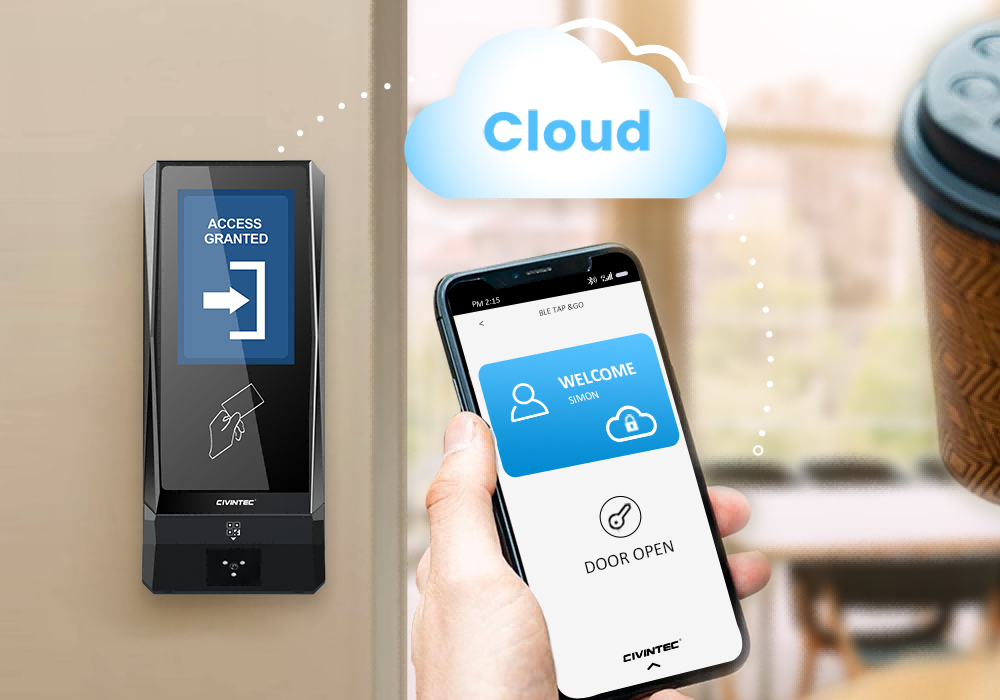
Long-Range BLE Mobile Access Control: Delivery drivers and authorized logistics personnel use BLE mobile credentials to trigger vehicle gate relays from inside their cabs, accelerating vehicle turnaround.
All-Weather Protection: The IP65 waterproof housing and UV-resistant enclosure prevent degradation under continuous direct sunlight.
Physical Environment: High-density building entryways and indoor speed turnstile banks connecting parking areas to locker rooms and production halls.
Operational Challenges: Managing thousands of employees arriving during 15-minute shift rotations. Bottlenecks cause delayed production line starts, while traditional RFID cards enable buddy punching and badge sharing.
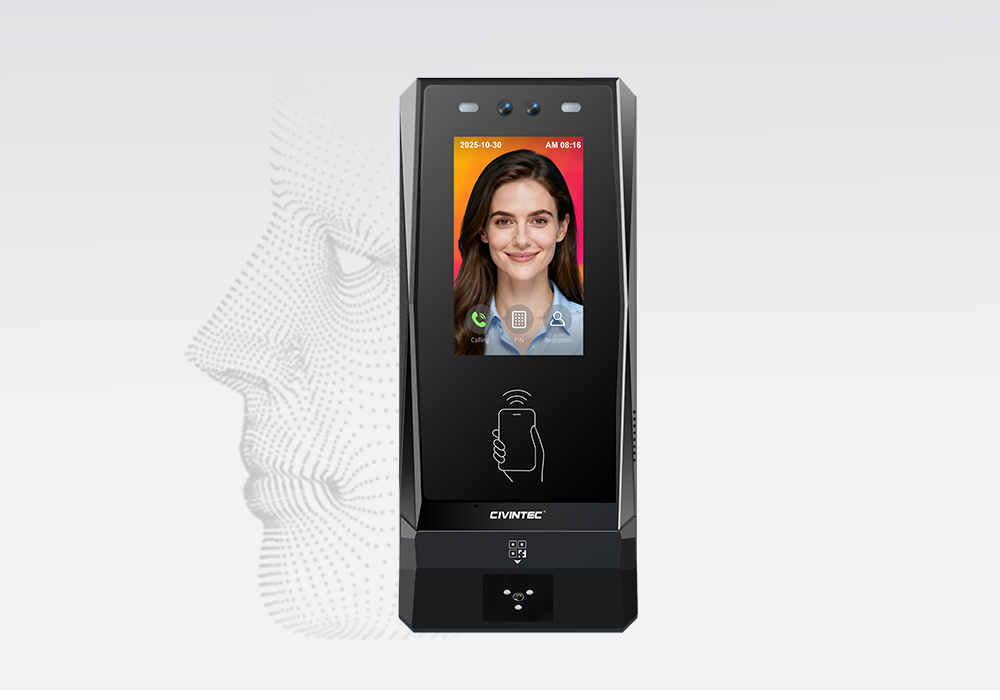
Target Hardware Deployment: Deploy the flagship CIVINTEC CT11 Access Control Terminal mounted directly on speed turnstiles or architectural stanchions.
Application Features:
0.015s Biometric Verification: The edge AI matching engine processes facial geometry in approximately 0.015s, enabling personnel to walk through turnstiles at a continuous walking pace without stopping.
Anti-Spoofing Dual-Camera: The dual-camera array captures visible RGB and infrared (IR) light spectrums simultaneously, verifying live human to block printed photos, smartphone video loops, and 3D masks.
Wired PoE Ethernet Connectivity: Direct RJ45 Power over Ethernet (PoE IEEE802.3af) delivers power and high-speed data transmission over a single cable.
Dual-Relay Output Control: Directly triggers turnstile barrier motors and directional green/red indicator lights simultaneously upon successful verification.
Physical Environment: Metal fabrication bays, CNC machining centers, stamping plants, and assembly floors with airborne metal dust, machine lubricants, cutting fluid mist, and intense mechanical vibrations.
Operational Challenges: Workers have dirty, greasy, or cut-prone hands and wear heavy protective work gloves, causing contact-based fingerprint scanners to fail repeatedly. Pushbuttons and delicate plastic readers suffer physical damage from tool carts and forklifts.
Target Hardware Deployment: Deploy the CIVINTEC CT11 or CIVINTEC CT10 access control terminal.
Application Features:
100% Touchless Authentication: Facial recognition requires zero physical touch, completely bypassing the failure rates of contact fingerprint readers caused by dirty, oil-stained, or gloved hands.
IK07 Impact Resistance Rating: The reinforced structural enclosure withstands accidental impacts from heavy hand tools, work carts, and industrial vibrations.
Epoxy-Potted Circuitry (IP65): The internal electronics are fully sealed with an electrically potted epoxy compound, protecting sensitive components against airborne grease and conductive metallic dust.
Programmable Function Keys: Workers select explicit shift modifiers (e.g., Shift Start, Break Out, Maintenance Mode) on the interactive touchscreen before authenticating, sending structured contextual records directly to the client's cloud system.
Physical Environment: Controlled laboratory cleanrooms (ISO Class 4-7), intellectual property testing labs, and hazardous chemical storage vaults.
Operational Challenges: Personnel wear full sterile PPE, including surgical hoods, hairnets, dust masks, and safety goggles. Strict access policies must prevent intellectual property theft, corporate espionage, and chemical mishandling.
Target Hardware Deployment: Deploy the CIVINTEC CT9 PRO Access Control Terminal or CIVINTEC CT11.
Application Features:
PPE Biometric Tolerance: The CT11's biometric algorithm isolates invariant skeletal facial landmarks around the eyes and bridge of the nose, verifying personnel wearing cleanroom hoods, face masks, and safety glasses.
MIFARE SAM Hardware Vault: The CT9 PRO features an integrated SAM (Secure Access Module) slot certified to EAL5+ standards, storing 128-bit AES cryptographic root keys to process encrypted NXP MIFARE DESFire EV1/EV2/EV3 smart cards securely.
Dual-Factor Authentication: Requires both biometric/card presentation and a PIN code entered on the touchscreen keypad for entry into hazardous chemical vaults.
Sanitization Resistance: Smooth glass front surfaces withstand daily wipedowns with isopropyl alcohol and medical-grade disinfectants without degrading optical sensors or touch response.
Physical Environment: Raw material warehouses, automated storage and retrieval systems (ASRS), and exterior shipping docks.
Operational Challenges: Temporary freight drivers, third-party logistics (3PL) couriers, and maintenance contractors require temporary, restricted access to designated loading bays without entering manufacturing zones.
Target Hardware Deployment: Deploy the CIVINTEC CT11 or CIVINTEC CT10 access control terminal equipped with an integrated QR code module.
Application Features:
Dynamic QR Code Processing: Plant dispatchers generate time-restricted, encrypted QR codes and send them to freight drivers' mobile phones. Drivers scan the QR code at the dock door for automated entry.
Automatic Photo Capture: When the driver presents a QR code, the terminal's built-in camera automatically captures a photo snapshot of the person scanning the code, providing visual proof of identity.
Interlocking Door Control: Terminal relays integrate with dock levellers and motorized overhead doors, ensuring exterior dock doors only open when an authorized driver credential is validated.
LoRaWAN IoT Connectivity: For sprawling outdoor storage yards spanning several kilometers, LoRaWAN wireless connectivity transmits lightweight access events across long distances to a central gateway.
Physical Environment: Corporate management offices, conference centers, engineering design offices, and central server rooms.
Operational Challenges: Managing visitor reception, client meetings, and executive access while maintaining a professional corporate appearance.
Target Hardware Deployment: Deploy the CIVINTEC CT11 Access Control Terminal.
Application Features:
VoIP Audio Intercom: Unregistered visitors and vendors press the "Call Reception" prompt on the CT11 touch interface to initiate duplex voice communication with the front desk, while the terminal streams live RTSP video to the security console for visual verification.
Remote Cloud Door Release: Front desk personnel or security operators issue encrypted remote unlock commands from their dashboard to release electromagnetic door locks.
NFC & BLE Mobile Access Control: Corporate employees access executive suites seamlessly using corporate mobile credentials on iOS and Android smartphones.
[block1]
To assist manufacturing IT teams and security system integrators in specifying the correct hardware models across different plant zones, the table below provides a side-by-side comparison of CIVINTEC’s enterprise access control terminal lineup:
Technical Parameter | CIVINTEC CT11 | CIVINTEC CT10 | CIVINTEC CT9 PRO | CIVINTEC CT9 E |
Primary Design Focus | Touchless 5-in-1 Biometric Facial Recognition Access Control and VoIP Intercom PDF+ 1 | Advanced Touchscreen Hub with Integrated Event Capture Camera and 4G Telemetry | Touchscreen Multi-Credential Access Control Hub | All-in-One Touch Keypad Wireless Cloud Access Control Terminal |
User Interface Hardware | 3.5" Touch Screen Linux OS with SDK | 3.5-inch Interactive Toucher UI display | 3.5-inch Color Touchscreen UI display | 12-digit Touch Digital Keypad with White LED Backlit |
Biometric / Capture Core | 2MP Dual-Camera Visual/IR Engine with Anti-Spoofing | Automated Event-Driven Verification Camera | None (External Hub Format) | None (Keypad Base Format) |
Supported Credentials | Face, RFID (125KHz/13.56MHz), BLE, NFC, QR Code, PIN | RFID (125KHz/13.56MHz), NFC, BLE, QR Code, PIN | RFID (125KHz/13.56MHz DESFire with SAM), BLE, NFC, QR Code, PIN | Touch Keypad PIN, RFID (125KHz/13.56MHz), BLE, NFC, QR Code |
Intercom Core Modality | Native VoIP Intercom Support via RTSP Protocol | Native VoIP Intercom Support via RTSP Protocol | None | None |
Network Interfaces | TCP/IP Ethernet (PoE), Wi-Fi, 4G LTE + GPS, LoRaWAN | TCP/IP Ethernet (PoE), Wi-Fi, 4G LTE + GPS LoRaWAN
| TCP/IP Ethernet (PoE), Wi-Fi, 4G LTE | TCP/IP Ethernet (PoE), Wi-Fi, 4G LTE |
Detailed Product Link |
The following matrix maps plant zones, security risks, authentication modalities, and optimal CIVINTEC hardware configurations:
Factory Zone | Environmental & Security Challenges | Primary Authentication Modality | Automated Safety & Alarm Logic | Recommended CIVINTEC Hardware |
Outer Perimeter & Gates | Extreme weather, vandalism, long distances without network cabling | Long-range BLE mobile credentials, dynamic QR codes | GPS asset verification, pry tamper alarm siren, cloud panic packet | |
Main Shift Turnstiles | Massive pedestrian throughput, shift fraud, buddy punching | 0.015s Facial recognition | Dual-camera anti-spoofing, instant relay barrier release | |
Heavy Machining Floors | Conductive metal dust, oil mist, gloved hands, physical impacts | 100% Touchless facial recognition | IP65 epoxy board, IK07 mechanical impact body, function keys | |
Cleanrooms & IP Labs | Full PPE garments, corporate espionage, chemical hazards | Biometrics (mask/hood tolerant), DESFire EV3 SAM card | Interlocking airlock doors, photo capture on all entries | |
Warehousing & Docks | Third-party freight drivers, temporary contractors | Dynamic, time-bound QR codes via mobile app | Photo capture of person scanning, unclosed door alarm (15s) | |
Executive & Admin Suites | Unregistered visitors, delivery couriers, executive privacy | Duplex VoIP voice intercom, QR codes via mobile app | Remote cloud door release, RTSP visual stream monitoring |
A manufacturing access control system must actively safeguard human life during industrial emergencies while preventing security breaches through automated hardware alarms.
Industrial facilities face serious fire, gas leak, and chemical emergency risks. CIVINTEC access control hardware features dedicated hardware input interfaces that wire directly to factory fire alarm control panels (FACP).
When a fire alarm triggers, the terminal overrides locked states instantly and releases magnetic and electromechanical door locks across all designated evacuation corridors.
Power over Ethernet (PoE) and DC input power architectures comply with fail-safe standards, ensuring doors release immediately upon power loss to facilitate unhindered worker evacuation.
In unmonitored production areas, perimeter gates, and raw material yards, intruders may attempt to dislodge access readers from wall mountings.
CIVINTEC terminals incorporate an internal tamper switch. If an individual attempts to pry the terminal off its bracket, the unit sounds a high-decibel local audible siren to deter the intruder.
Simultaneously, the terminal transmits an urgent tamper alarm packet—containing the terminal ID, exact timestamp, and GPS coordinates—over encrypted HTTP/HTTPS communication protocols directly to the client's cloud system.
Workers often prop open heavy security doors using wedges or toolboxes to move materials between zones, compromising environmental conditioning and physical security.
CIVINTEC terminals integrate with magnetic door position sensors to monitor door open/closed status in real time.
If a secure door remains open beyond a pre-configured threshold (e.g., 15 seconds), the terminal logs a "DOOR NOT CLOSED" alarm, sounds a local audible alert, and pushes an immediate notification to the facility management console.
Accountability is critical in industrial compliance audits.
Every time a credential is authenticated—whether access is granted or denied—or an alarm triggers, the terminal's integrated camera automatically captures a photo snapshot of the person authenticating.
These photo records are packaged with the user ID, device ID, and timestamp, providing unalterable visual evidence for regulatory inspections, internal investigations, and security reviews.
To explore how smart IoT hardware integrates with broader building automation and emergency relay frameworks, review CIVINTEC Facility Control Terminals & Smart IoT Hardware.
Integrating access control hardware into complex manufacturing IT infrastructures requires open system architecture, flexible communication interfaces, and robust cryptographic data protection.
CIVINTEC access control hardware accommodates diverse factory networking conditions:
Wired TCP/IP Ethernet with PoE: Connects directly via standard RJ45 ports, delivering network connectivity and electrical power over a single Cat6 cable for turnstiles and permanent interior portals.
2.4GHz Wi-Fi Support: Integrated wireless networking (IEEE802.11 b/g/n) connects terminals in workshops where running physical data cabling is cost-prohibitive.
4G LTE Cellular & GPS Telemetry: Embedded cellular modems provide independent cloud connectivity for remote perimeter gates, guard shanties, and outdoor yards without requiring local network drops.
LoRaWAN IoT Connectivity: Long-range, low-bandwidth wireless technology transmits access events across expansive storage yards spanning several kilometers back to a central gateway.
Data Security Standard: All data transmission between CIVINTEC terminals and the client's cloud system is secured using HTTP/HTTPS communication protocols with TLS 1.3 and AES-128/AES-256 encryption. The hardware executes mutual authentication handshakes before transmitting transaction payloads, preventing packet sniffing and credential spoofing.
Factory network switches can experience downtime during maintenance cycles or power surges. To ensure operations continue uninterrupted:
If network connectivity drops, CIVINTEC terminals switch to autonomous offline mode automatically.
The hardware continues validating user credentials against its local non-volatile flash memory, caching up to 200,000 text event records and 7,000 photo event logs locally.
When network connectivity is restored, the terminal executes a secure handshake and automatically flushes the cached logs to the client's cloud system.
CIVINTEC operates as an enterprise access control hardware manufacturer. Rather than locking clients into proprietary, closed software ecosystems, CIVINTEC provides an open, stable Software Development Kit (SDK) and API libraries for its embedded Linux terminals.
Enterprise software developers and system integrators can program directly to the device layer using the open SDK to:
Customize touchscreen user interfaces, company logos, shift prompts, and prompt languages.
Transmit real-time transaction telemetry directly to the client's own cloud system via secure HTTP/HTTPS communication protocols.
Issue remote cloud commands to toggle terminal modes (e.g., Lockdown Mode, Free-Pass Mode, Normal Access Control Mode).
Execute remote firmware upgrades over TCP/IP, Wi-Fi, or 4G LTE, or via BLE OTA (Over-the-Air) using an authorized smartphone app.
For real-world insights into deploying cloud-connected access control hardware across complex physical sites, read our case study on CIVINTEC construction access control for real-time site management.
Successfully deploying a multi-zone access control system across a manufacturing plant requires a structured engineering roadmap:
Conduct Facility Zone Audits: Map all perimeter gates, turnstile banks, workshop doors, cleanrooms, and loading docks. Identify physical environmental risks (dust, oil mist, moisture, solar exposure) at each location.
Define Multi-Role Access Control Policies: Establish role-based clearance levels for full-time workers, temporary contractors, delivery drivers, and administrative staff. Map shift change schedules and define overtime tracking requirements.
Select Hardware Models & Credential Modalities:
·High-throughput turnstiles: Specify CIVINTEC CT11 for sub-0.015s biometric verification.
·Remote gates & loading docks: Specify CIVINTEC CT10 with 4G LTE, GPS, and QR code module.
·Cleanrooms & chemical vaults: Specify CIVINTEC CT9 PRO with MIFARE SAM DESFire AES-128 protection.
Deploy Network Interfaces & Cloud Protocols: Establish wired TCP/IP PoE connections for main portals, configure encrypted Wi-Fi for workshops, and insert SIM cards for remote 4G LTE terminals. Ensure all endpoints communicate with the client's cloud system via encrypted HTTP/HTTPS protocols.
Execute Validation & Emergency Testing: Validate offline fail-safe caching by disconnecting network lines. Verify fire alarm auto-unlock triggers, test optical pry tamper sirens, and confirm door-open-timeout alerts before plant-wide commissioning.
[block2]
Implementing a multi-zone access control system is essential for safeguarding modern manufacturing infrastructure. By replacing fragile, unencrypted legacy readers with CIVINTEC industrial-grade access control hardware, plant managers eliminate buddy punching, prevent unauthorized zone cross-over, maintain automated photo audit trails, and ensure operational continuity across challenging environments.
With IK07 mechanical impact resistance, IP65 weatherproofing, UV-resistant coatings, sub-0.015s edge AI biometrics, 5-in-1 multi-credential support, and open Linux SDK architecture, CIVINTEC delivers the dependable physical foundation required for modern industrial security.
Ready to upgrade your manufacturing facility security? Contact CIVINTEC’s technical engineering team today to request hardware evaluation packages, discuss custom SDK integrations, or receive a project quote.
Initiate Technical Consultation: Contact CIVINTEC Project Engineers
Explore Product Specifications: Browse CIVINTEC Access Control Hardware Line


 Home >
  Share
Share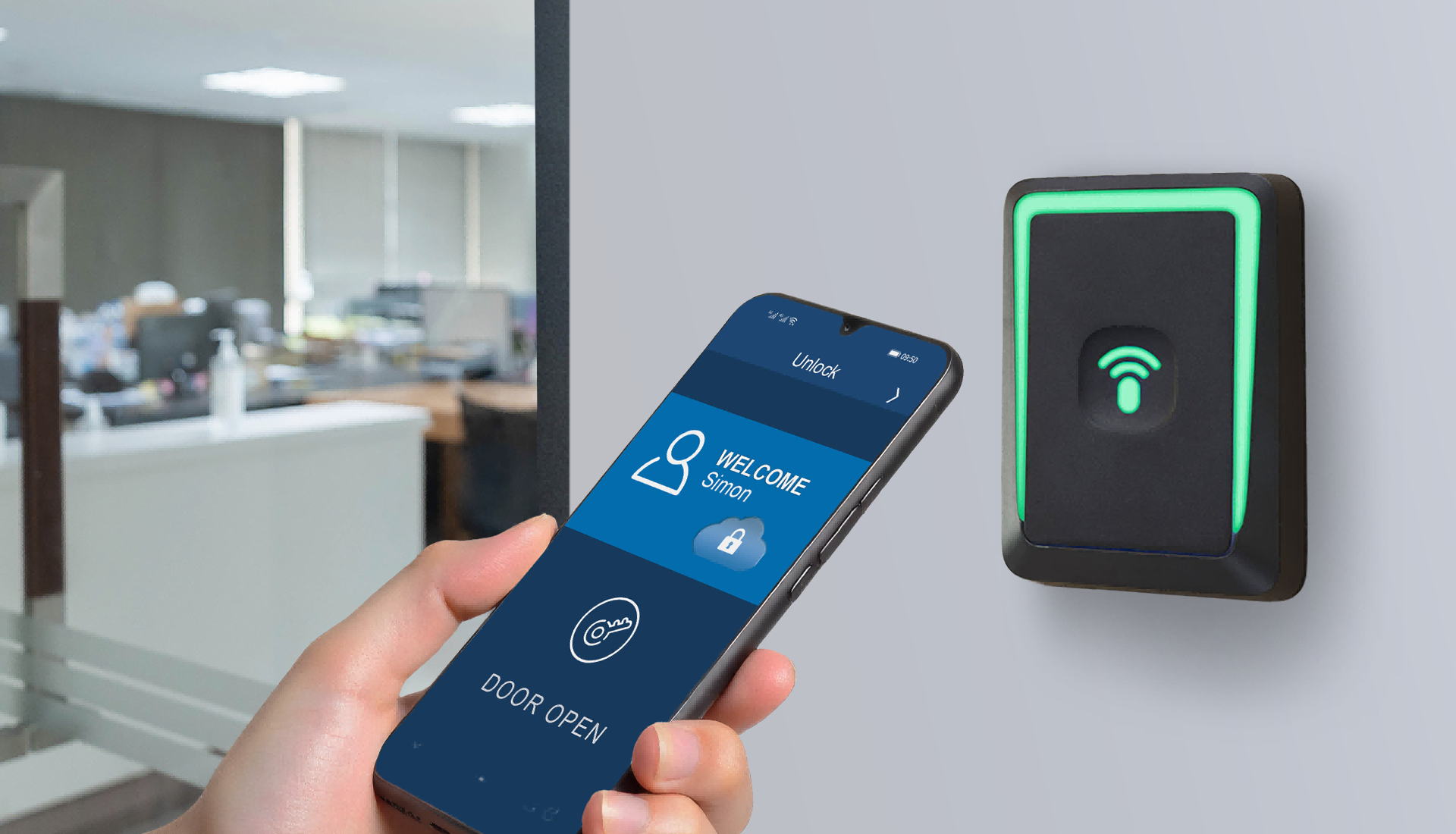



 Contact Us